Fiber Optic Cable Prices in Kenya: The Complete 2026 Buyer's Guide
Kenya's internet and telecom infrastructure has grown rapidly over the past decade, and fiber optic cable remains the backbone of that expansion — from ISP backhaul links and enterprise networks to fiber-to-the-home (FTTH) installations in Nairobi's estates and beyond. If you're planning a network installation, running a small ISP, or simply upgrading your home or office connectivity, understanding fiber optic cable prices in Kenya will help you budget accurately and avoid overpaying.
This guide breaks down current pricing, the factors that influence cost, where to buy, and what to expect for installation.
What Is Fiber Optic Cable and Why It Matters
Fiber optic cable transmits data as pulses of light through thin strands of glass rather than electrical signals through copper. This gives it major advantages over traditional Ethernet or coaxial cabling: much higher bandwidth, longer transmission distances without signal loss, and strong resistance to electromagnetic interference. That's why fiber has become the default choice for ISPs, data centers, campus networks, and increasingly, residential FTTH connections across Kenya.
Every fiber cable is made up of a glass core (which carries the light signal) surrounded by cladding with a lower refractive index, which keeps the light bouncing internally along the length of the cable rather than escaping. Most installations use duplex pairs — one strand to transmit, one to receive — though single-strand bidirectional setups are also possible.
Types of Fiber Optic Cable Available in Kenya
Before looking at prices, it helps to understand the main categories you'll encounter from Kenyan suppliers:
- Single-mode fiber (SMF) — Used for long-distance runs (kilometers), such as ISP backbone links and inter-building connections. More expensive per meter but far more efficient over distance.
- Multimode fiber (MMF) — Best suited for shorter runs within a building or data center, typically OM2/OM3/OM4 rated.
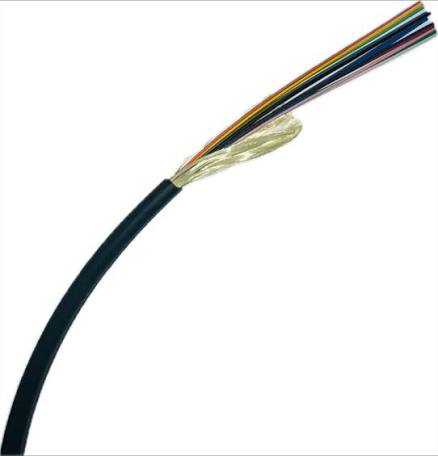
- Indoor cable — Lighter jacketing, used within buildings, not weatherproof.
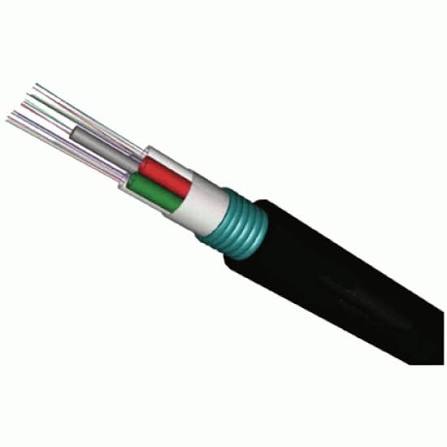
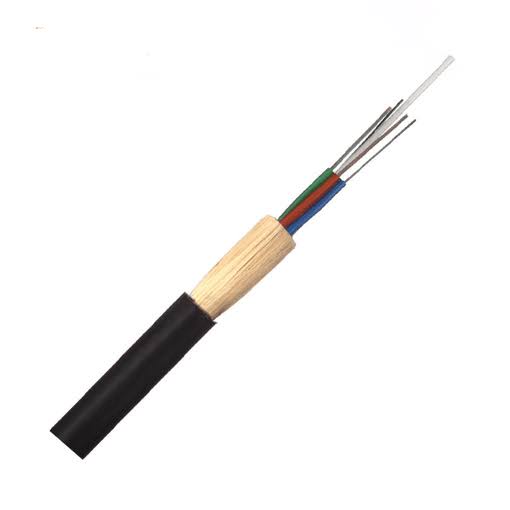
- Outdoor/armored cable — Reinforced, UV-resistant, and often armored for underground or aerial runs; costs more due to the added protective layers.
- Patch cords and pigtails — Short, pre-terminated cables (typically 1m–20m) used to connect equipment to patch panels or ONTs, available in SC, LC, ST, and FC connector types.
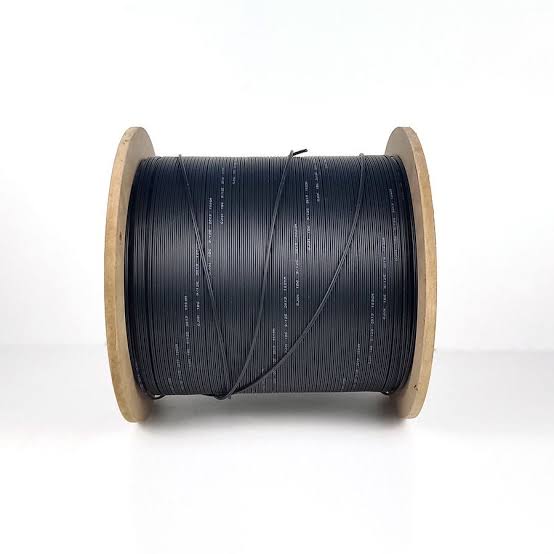
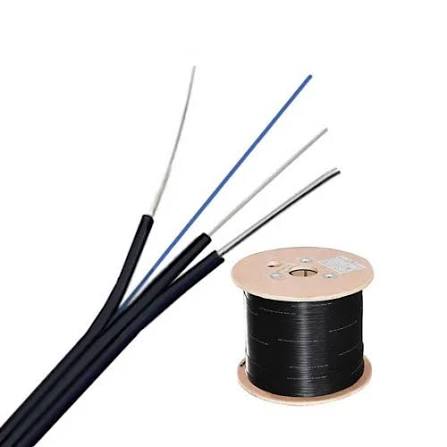
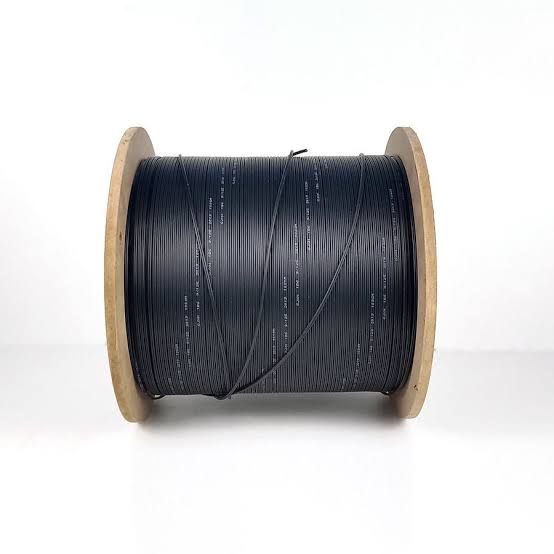
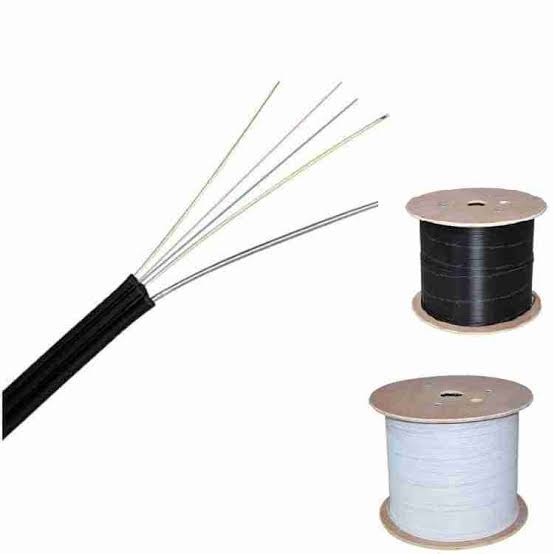
- Bulk/reel cable — Sold per meter or in large rolls (100m, 500m, 1km+) for larger installation projects, available in 2-core, 4-core, 8-core, 12-core, 24-core, 48-core, and even 96-core configurations for high-capacity ISP deployments.
Fiber Optic Cable Prices in Kenya: Current Ranges
Pricing varies significantly by product type, but here's a realistic breakdown based on what Kenyan suppliers currently list:
Patch cords and short connector cables
Basic fiber patch cables and connectors generally range from about KSh 80 to KSh 380, depending on connector type and cable quality. These are the cheapest entry point into fiber networking and are commonly used to connect routers, ONTs, and switches to patch panels.
Fiber accessories (adapters, pigtails, sleeves)
Small accessories like SC/LC/ST adapters and protective sleeves typically cost around KSh 200–250 each.
Fiber termination boxes and enclosures
Fiber Termination Boxes (FTBs) and optical splitter boxes — essential for FTTH and distribution points — are priced from roughly KSh 5,000 to KSh 24,000, depending on core capacity (commonly 12-core to 24-core boxes).
Media converters and transceivers
Fiber-to-Ethernet media converters and SFP/SFP+ transceiver modules generally sit between KSh 1,200 and KSh 8,000, with long-range 10km+ single-mode transceivers toward the higher end.
Pre-terminated outdoor drop cable (per run)
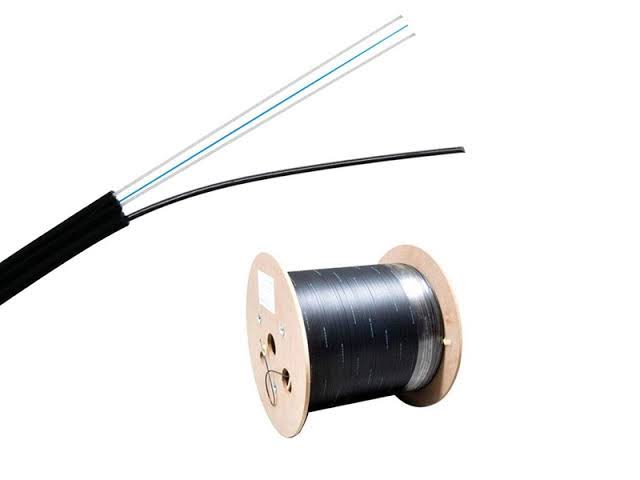
A 100-meter, 2-core outdoor SC UPC single-mode drop cable complete with factory-fitted connectors — the type commonly used for FTTH last-mile connections — retails at around KSh 8,000 for the full 100m run.
Bulk reel cable (per meter)
For larger installations, bulk fiber cable is sold per meter, with pricing scaling based on core count. Multi-core bulk cable (8-core, 12-core, 24-core, and above) is priced higher per meter than simple 2-core drop cable, and ISPs undertaking large rollouts typically negotiate wholesale rates directly with suppliers.
Patch panels and cabinets
Fiber patch panels (8, 24, or 48 port) and supporting network cabinets range widely, generally from around KSh 5,000 up to tens of thousands of shillings for larger enterprise-grade cabinets.
It's worth noting that most of this equipment is imported — largely sourced from Dubai, China, and Finland — so prices can shift with currency exchange rates and shipping costs. Always confirm current pricing directly with suppliers before budgeting a project.
Factors That Affect Fiber Cable Pricing
Several variables determine what you'll actually pay:
- Core count — More cores (fibers within a single cable) mean higher raw material and manufacturing cost. A 2-core cable is significantly cheaper than a 24-core or 96-core cable of the same length.
- Single-mode vs. multimode — Single-mode is generally pricier due to tighter manufacturing tolerances, though it's the standard for long-distance links.
- Indoor vs. outdoor/armored rating — Outdoor cables need UV protection, water-blocking gel, and sometimes steel or aramid yarn armoring, which adds cost.
- Pre-terminated vs. raw cable — Cables that arrive with factory-fitted connectors cost more than raw cable that needs field termination, but save on splicing labor.
- Length — Sold per meter for bulk cable, or in fixed pre-cut lengths (1m, 5m, 20m, 100m) for patch cords and drop cables.
- Brand and country of origin — Cable sourced from established manufacturers (often via Finland, China, or Dubai supply chains) can carry a premium over generic imports.
- Installation and labor — Splicing, fusion termination, ducting, and technician callout fees are typically quoted separately from the cable cost itself, and can add substantially to a project budget, especially for underground or aerial outdoor runs.
- Order volume — Wholesale and bulk pricing is available from most suppliers for ISPs and contractors, often at a meaningful discount over single-unit retail prices.
Where to Buy Fiber Optic Cable in Kenya
Kenya has a fairly mature market of specialized fiber and networking suppliers, mostly based in Nairobi but shipping countrywide and across East Africa. A few worth knowing about:
- Fiber Optics Kenya — A dedicated fiber optic supplier offering cable, connectors, and related networking equipment for both retail and bulk/project buyers.
- Orbit Link Solutions — Stocks a range of fiber optic cable products with published pricing by category, useful for comparing current rates before placing an order.
- Other established suppliers in the market include Techyshop, Hubtech, TDK, CTC Solutions, Almiria Techstore, Brighttech Networks, and Tronik — most of which carry overlapping product lines (patch cords, bulk cable, termination boxes, media converters) at broadly comparable price points.
- General marketplaces like Jumia and Jiji also list fiber-related products, though these tend to skew toward consumer-grade items (like fiber optic HDMI and digital audio cables) rather than telecom-grade networking cable, so they're less suited to ISP or enterprise buyers.
When comparing suppliers, it's worth checking a few things beyond the sticker price: whether VAT is included, whether delivery is free or charged separately (many Nairobi-based suppliers offer same-day delivery within the city and countrywide shipping outside it), and whether the supplier offers after-sales support for splicing or troubleshooting.
Installation Costs to Budget For
The cable itself is often only part of the total cost of a fiber project. Depending on the scope, you may also need to budget for:
- Fusion splicing — Charged per splice point, required when joining raw fiber strands or terminating cable on-site.
- Ducting and trenching — For underground outdoor runs, civil works (digging, laying conduit) can be a significant cost, especially over longer distances.
- Aerial installation — Pole mounting and aerial cable runs require different labor and hardware than underground installs.
- Testing and certification — OTDR (Optical Time Domain Reflectometer) testing to verify signal loss and cable integrity, particularly important for ISP-grade installations.
- Technician callout fees — Most suppliers and installers charge a separate labor fee on top of materials, which varies by location and project complexity.
For a simple home or small office FTTH drop, expect the cable and basic termination to be the bulk of the cost. For larger commercial or ISP rollouts, civil works and labor can end up costing more than the cable itself.
Tips for Getting the Best Fiber Cable Prices in Kenya
- Buy in bulk where possible. Most suppliers offer wholesale pricing for larger core-count cable and bulk reel orders, which brings the per-meter cost down significantly.
- Compare multiple suppliers before committing. Prices for similar cable specs (core count, single-mode vs. multimode) can vary between vendors, so it pays to check a few listings, including the ones linked above, before ordering.
- Match the cable type to the job. Don't overpay for outdoor-armored cable if you're running a short indoor patch, and don't undersize your cable rating for an outdoor or underground run.
- Factor in installation, not just cable cost. A cheap cable with expensive splicing and civil works can end up costing more overall than a slightly pricier pre-terminated option.
- Ask about VAT and delivery. Listed prices sometimes exclude VAT, and delivery charges outside Nairobi can add to the total, so confirm the all-in cost before ordering.
- Check for genuine, tested stock. Pre-tested cable reduces the risk of faults after installation, which is especially important for longer or harder-to-access outdoor runs.
Frequently Asked Questions
How much does fiber optic cable cost per meter in Kenya?
It depends heavily on core count and cable type, but small patch cables start from under KSh 100 for short lengths, while bulk multi-core reel cable is priced per meter and scales up with core count and armoring.
Is single-mode or multimode fiber cheaper?
Multimode is generally used for shorter indoor runs and can be more cost-effective for those distances, while single-mode is the standard (and often necessary) choice for longer runs, including most ISP and FTTH backbone links.
Do I need a technician to install fiber cable?
For simple patch cord connections, no special skills are needed. For splicing, termination, and longer outdoor runs, a trained fiber technician is strongly recommended, since improper splicing or bend radius handling can significantly degrade signal quality.
Where can I compare fiber optic cable prices in Kenya online?
Supplier websites such as Fiber Optics Kenya and Orbit Link Solutions publish category pricing that's useful for getting a current sense of the market before you buy.
Final Thoughts
Fiber optic cable prices in Kenya span a wide range — from under KSh 100 for a basic patch cord to tens of thousands of shillings for enterprise-grade cabinets, high-core-count bulk cable, and full FTTH installation projects. The right price point depends entirely on your use case: a home fiber drop, an office network upgrade, or a full ISP rollout will each call for very different cable specs and budgets.
Before committing to a purchase, it's worth comparing a few supplier listings side by side, factoring in installation and civil works costs, and confirming whether VAT and delivery are included in the quoted price. That upfront comparison can save a meaningful amount, especially on larger bulk or wholesale orders.