This FAQ answers common questions from customers comparing fiber optic internet, structured cabling, routers, switches, Wi-Fi equipment, and installation support in Kenya. The answers are written for homes, offices, schools, shops, landlords, hospitality sites, clinics, and organizations that want clearer guidance before spending money on network products or installation work.
Fiber internet can be fast and reliable, but the final experience depends on more than the provider line. Internal cabling, router quality, access point placement, device load, power stability, building layout, and installation workmanship all matter. A customer may pay for a strong package and still suffer poor performance if the local network is weak. These questions explain the practical details that affect real results.
If your question is not answered here, the best next step is to describe your site, number of users, current provider, existing equipment, and the problem you are trying to solve. With that information, Fiber Optics Kenya can help you separate provider issues from local network issues and plan a better solution.
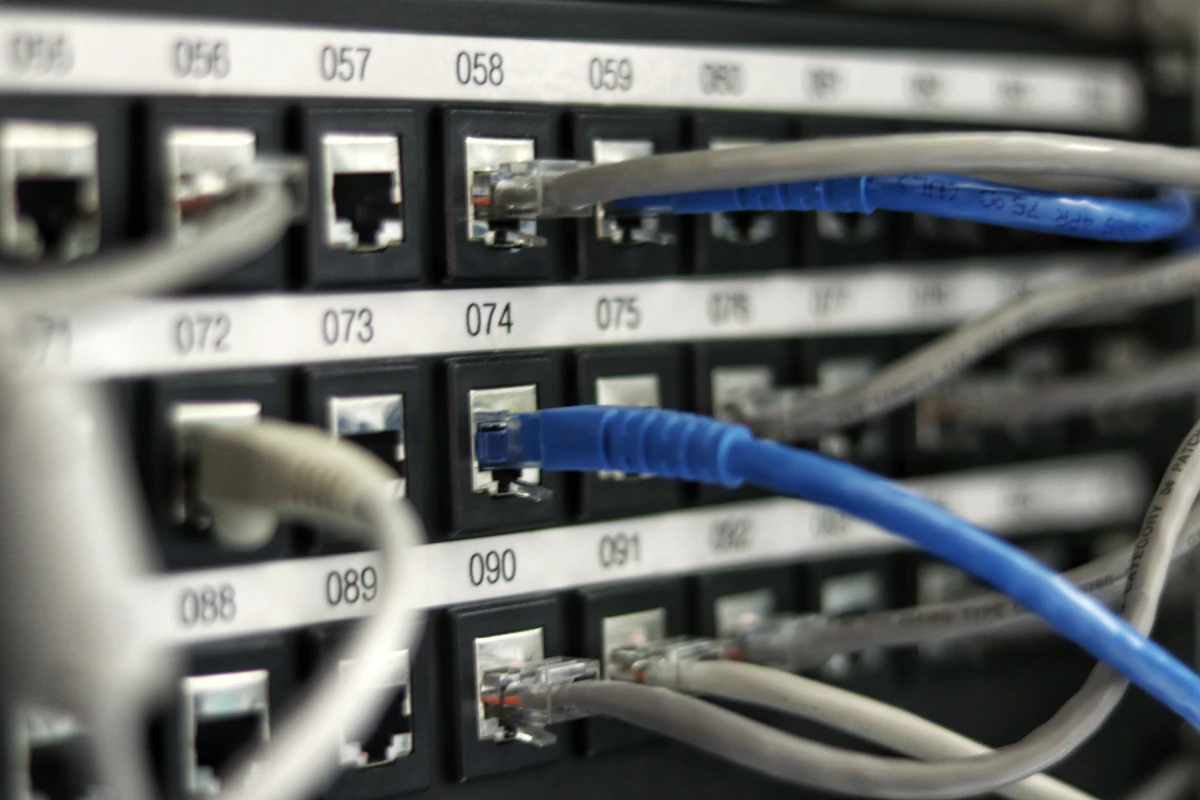
What is fiber optic internet?
Fiber optic internet uses glass or plastic strands to carry data as light signals. Compared with older copper-based connections, fiber can support high speeds, better long-distance performance, and strong reliability when the network is installed and maintained properly. In Kenya, fiber is commonly used for homes, estates, offices, institutions, and commercial buildings where providers have coverage.
The word fiber is often used loosely. Some customers have fiber all the way to the home or office, while others may have fiber nearby and another technology for the final connection. The installation details affect performance, so it is useful to ask where the fiber terminates, what equipment will be installed, and how the service will enter your building.
Even with a good fiber line, the indoor network must be planned well. A poor router, weak Wi-Fi signal, old cable, overloaded switch, or bad placement can make a fast service feel slow. That is why Fiber Optics Kenya looks at both the outside connection and the local network inside the property.

How do I know whether fiber is available at my location?
Availability depends on provider coverage, distance from the nearest network point, building access, estate approvals, landlord permission, and installation feasibility. Dense urban areas often have more fiber options, but coverage can still vary street by street or building by building. A neighbouring property may have service while your building still needs a survey or extension.
The practical way to confirm availability is to share your exact location, building type, and access details with the provider or installation team. For apartments and estates, management approval may be needed before cable routes are used. For standalone homes or offices, the installer may need to inspect poles, ducts, walls, and the route to the termination point.
If fiber is not immediately available, you can still plan internal networking so the property is ready when the service reaches you. Structured cabling, router placement, access point positions, and a secure equipment point can be prepared in advance, especially for offices, schools, and new buildings.

Why is my internet slow even though I pay for fiber?
Slow internet can come from several places. The provider line may be congested or faulty, but the issue may also be inside the property. Weak Wi-Fi, poor router placement, old devices, too many users, background downloads, damaged cables, incorrect router settings, and overloaded access points can all reduce performance.
Start testing near the router, then test from the rooms where people actually use the connection. If speeds are good near the router but poor in bedrooms, offices, shops, or classrooms, the problem is likely Wi-Fi coverage or local cabling. If speeds are poor even by Ethernet near the router, the provider line, router, or package may need attention.
A professional check should separate speed, latency, Wi-Fi strength, cable condition, and device load. Without that separation, customers often replace the wrong equipment. Fiber Optics Kenya recommends testing before buying a new router or paying for an upgrade.

What equipment do I need for a good fiber network?
A basic home may need only a provider terminal and a good router. A larger home may need mesh Wi-Fi or wired access points. An office may need a router, switches, structured cabling, patch panels, cabinets, access points, surge protection, and backup power. A school, clinic, lodge, or warehouse may need a more careful design because coverage, users, and devices are more demanding.
The equipment list should follow the site requirements. Count users, rooms, floors, wired devices, wireless devices, CCTV cameras, printers, payment terminals, smart TVs, and future expansion points. Then choose routers, switches, and access points that can handle the expected load. Buying the cheapest device without checking capacity often leads to repeat problems.
Cabling matters too. Good cable, connectors, trunking, labeling, and termination make the network cleaner and easier to maintain. Hidden shortcuts can create intermittent faults that are difficult to trace later.
How much does installation cost?
Installation cost depends on the type of work. A simple router setup is different from a full structured cabling project. Price can be affected by cable length, number of rooms, height, ceiling access, trunking, conduit, wall drilling, cabinet installation, switch configuration, access point mounting, testing, and travel distance.
Customers should ask for a scope that separates products, labour, accessories, and support. That makes it easier to compare quotes fairly. A low quote that excludes cable management, testing, connectors, or proper mounting may become more expensive when the work has to be corrected.
For businesses and institutions, the cost should also consider downtime. Poor installation can interrupt payments, operations, lessons, bookings, and customer service. Paying for a clean and documented installation is often cheaper than repeated troubleshooting after staff start using the network.
Can fiber support Wi-Fi for the whole building?
Fiber brings internet to the property, but Wi-Fi coverage depends on the indoor network. A single router may cover a small apartment, but it may not cover a maisonette, large office, school, hotel, or estate unit with thick walls and long corridors. More access points may be needed to distribute the connection properly.
The best Wi-Fi design places access points near users and connects them back to the network through good cabling where possible. Mesh systems can help in some homes, but wired access points are usually more stable for larger sites. Placement should avoid metal cabinets, corners, hidden cupboards, and areas with heavy interference.
Testing is important after installation. Walk through the building and check signal strength, speed, video calls, and normal work tasks. A network is not complete until it performs in the actual rooms where people use it.
Do I need a new router?
You may need a new router if the current one is old, underpowered, unstable, poorly placed, or unable to handle the number of users. However, router replacement is not always the answer. A good router in the wrong location can still perform badly. Weak Wi-Fi may need additional access points rather than a single expensive router.
Before buying, check whether the router supports your internet speed, number of devices, Wi-Fi coverage needs, Ethernet ports, security options, guest network needs, and any business features such as VLANs or traffic control. For offices, schools, clinics, and shops, consumer routers may not be enough.
Every project is treated as a practical connectivity decision, not just a sale of cable, routers, or accessories. We look at the site, the users, the equipment, the power situation, the expected traffic, and the support plan. That wider view helps customers avoid expensive shortcuts such as poor cable routes, weak Wi-Fi placement, undersized switches, overloaded routers, or unclear ownership of faults after installation.
Fiber Optics Kenya also writes for customers who are still comparing options. Some sites need a new fiber drop, some need internal structured cabling, some need Wi-Fi improvement, some need a router replacement, and some need backup internet because the main line is unreliable. A careful recommendation should explain the difference between those needs so the customer pays for the right solution.
The best results come when the customer shares accurate site details before work begins. Building type, number of rooms, number of users, existing equipment, cable distance, preferred router position, power outlets, ceiling access, landlord rules, and business operating hours all affect the installation plan. When those details are clear, the final network is easier to install, easier to support, and easier to expand later.
We also encourage customers to think about ownership after installation. Someone should know where the main router is located, which cable serves each room, how to contact the provider, which devices are business critical, and what should be checked before calling for support. This does not require complex documentation for every small home, but even a simple record can reduce confusion when a fault appears.
Security is part of reliable connectivity. Default passwords, open guest networks, shared staff passwords, unmanaged routers, and unknown devices can create problems for homes and businesses. A clean setup should include sensible Wi-Fi names, strong passwords, separate guest access where needed, and basic control over who can connect. For offices and institutions, network separation may be just as important as speed.
Power planning should not be ignored. Routers, switches, access points, and provider terminals need stable electricity. In places with outages, voltage drops, or frequent surges, a small UPS and surge protection can prevent avoidable restarts and equipment damage. For payment systems, CCTV, clinics, schools, and offices, power backup can be the difference between a minor interruption and a serious work stoppage.
Finally, good connectivity should be reviewed over time. More users, new devices, extra tenants, added CCTV cameras, cloud software, online classes, or a larger office team can change what the network needs. A setup that was enough last year may need more access points, switch ports, bandwidth, or better equipment today. Regular review keeps the network aligned with real usage instead of waiting for repeated complaints.