Fibre Cable Protection and Consumables Price in Kenya
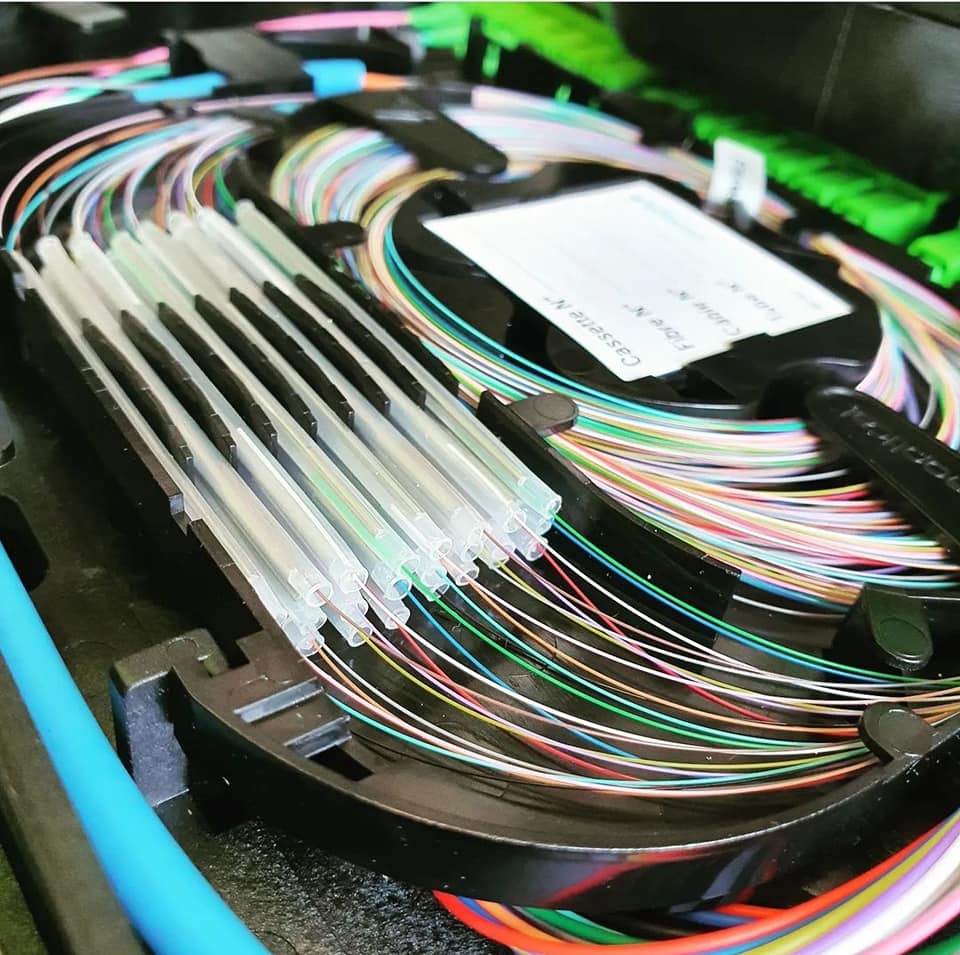
Fibre cable protection and consumables are the materials technicians use to protect, clean, secure, identify and finish fibre optic installations. They may be relatively small components compared with fibre cables, OLTs, closures and fusion splicers, but they have a direct impact on the reliability and professional quality of an installation.
Common fibre consumables include fusion-splice protection sleeves, heat-shrink tubing, cable ties, spiral cable protection wrap, lint-free cleaning wipes, isopropyl alcohol, warning tape, cleaning swabs and related cable-management materials.
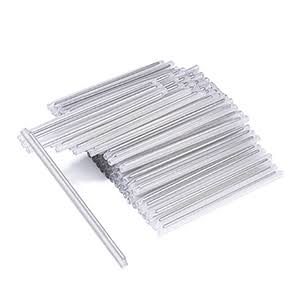
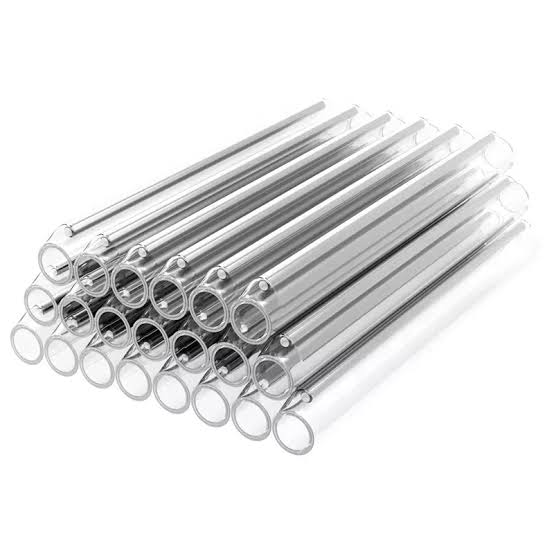
For example, a standard 60mm fibre splice protection sleeve contains heat-shrink material and a reinforcing member that protects the fragile fusion-spliced fibre after it leaves the fusion splicer. Kenyan suppliers currently sell 100-piece packs of 60mm sleeves from approximately KES 2,500 to KES 3,500 excluding VAT, depending on supplier and specification.
Fibre Cable Protection and Consumables Overview
| Product | Typical Purpose |
|---|---|
| 60mm Fibre Protection Sleeve | Protects fusion-spliced fibre |
| 40mm Fibre Protection Sleeve | Compact splice protection |
| Heat-Shrink Tubing | Cable insulation and protection |
| Spiral Cable Wrap | Groups and protects cable bundles |
| Cable Ties | Secures cables and accessories |
| Lint-Free Fibre Wipes | Cleans fibre and connectors |
| Isopropyl Alcohol (IPA) | Removes contamination before splicing |
| Cleaning Swabs | Cleans adapters and connector interfaces |
| Warning / Caution Tape | Identifies and protects work areas or routes |
| Cable Labels | Fibre identification |
| Protective Tubing | Protects vulnerable cable sections |
| Electrical/Insulation Tape | General cable finishing and temporary protection |
Why Fibre Cable Protection Is Important
Optical fibre is capable of transmitting data over very long distances, but the glass itself is mechanically delicate.
Protection materials help prevent:
Fibre breakage
Cable jacket abrasion
Moisture exposure
Contamination
Excessive bending
Splice damage
Accidental cable movement
Poor cable organization
Connector contamination
Premature installation failure
A small consumable such as a splice sleeve can therefore protect a connection carrying thousands of customer services.
Fibre Splice Protection Sleeves
One of the most important fibre consumables is the fusion splice protection sleeve.
After two optical fibres are fused together, the original protective coatings have been stripped away around the splice.
The splice must therefore be reinforced.
A typical sleeve contains:
Outer heat-shrink tube
Inner meltable adhesive tube
Stainless-steel reinforcing member
This construction supports the fibre and protects the splice against bending and mechanical stress. Kenyan 60mm sleeve listings describe stainless-steel reinforcement, EVA or meltable adhesive material and heat-shrinkable outer construction.
60mm Fibre Protection Sleeves
The 60mm protection sleeve is one of the most widely used sizes for standard single-fibre fusion splicing.
Typical application:
Stripped Fibre → Fusion Splice → 60mm Protection Sleeve → Splice Tray
Once the fibre has been fused, the sleeve is moved over the splice and placed inside the splicer's heater.
Heat causes the tube to shrink tightly around the fibre.
Typical 60mm Sleeve Features
| Feature | Typical Description |
|---|---|
| Length | Approximately 60mm |
| Application | Single-fibre fusion splice |
| Outer Material | Heat-shrinkable polymer |
| Inner Layer | EVA / hot-melt adhesive |
| Strength Member | Stainless-steel rod |
| Packaging | Commonly 100pcs |
| Installation | Fusion-splicer heater |
| Purpose | Mechanical splice protection |
A current Kenyan supplier lists 60mm single-fibre protection sleeves in 100-piece packs, while another lists the same pack configuration at KES 2,500 excluding VAT.
40mm Fibre Protection Sleeves
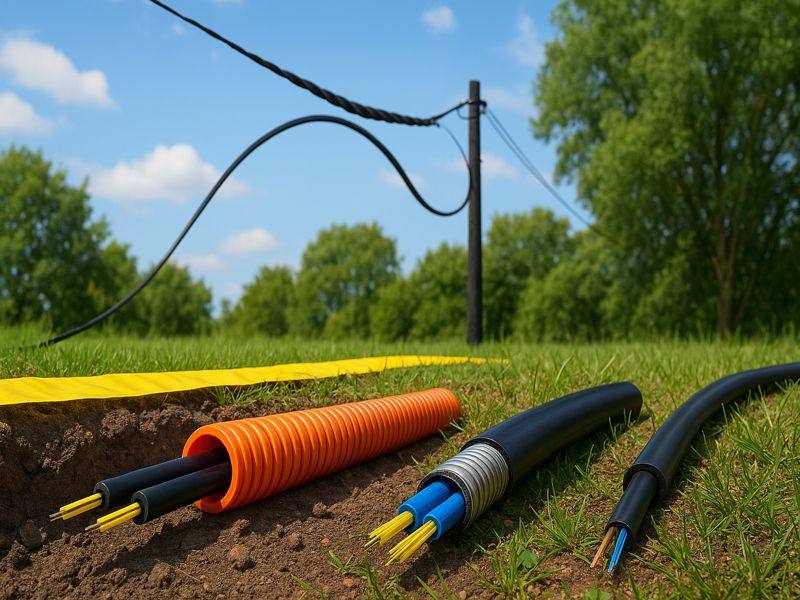
Shorter 40mm sleeves are also available for compact splice trays and termination boxes.
Current Kenyan marketplace listings include 100-piece 40mm fibre-optic sleeve packs at approximately KES 950.
Common applications include:
Compact FAT boxes
Mini termination boxes
Small splice trays
FTTH distribution points
Space-limited enclosures
40mm vs 60mm Fibre Protection Sleeves
| Feature | 40mm Sleeve | 60mm Sleeve |
|---|---|---|
| Length | 40mm | 60mm |
| Installation Space | More compact | Requires more tray space |
| Typical Application | FTTH / compact boxes | Standard fusion splicing |
| Mechanical Support | Good | Longer support area |
| Availability | Common | Very common |
| Pack Size | Often 100pcs | Often 100pcs |
The correct sleeve should match the splice tray and fusion-splicer heater design.
Heat-Shrink Tubing for Cable Protection
General heat-shrink tubing is another useful installation consumable.
When heated, the tubing contracts around a cable, wire or joint.
Applications include:
Cable insulation
Cable repairs
Protection against abrasion
Connector strain relief
Moisture protection
Identification
Bundling smaller cables
Current Kenyan retail listings show general heat-shrink kits from around KES 750–1,170, depending on the number of pieces, sizes and whether accessories such as a heat gun are included.
Fibre Splice Sleeve vs General Heat-Shrink Tube
These products should not be confused.
| Feature | Fibre Splice Sleeve | General Heat Shrink |
|---|---|---|
| Main Purpose | Protect fusion splice | Cable/wire protection |
| Steel Reinforcement | Usually Yes | Usually No |
| Fusion Splicing | Designed for it | Not normally |
| Splice Tray Storage | Yes | Not specifically |
| General Cable Repairs | Limited | Yes |
For fusion splices, use a proper fibre splice protection sleeve, not ordinary heat shrink alone.
Spiral Cable Protection Wrap
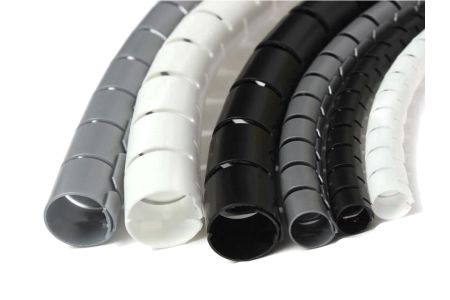
Spiral cable wrap is a flexible plastic protection material wrapped around groups of cables.
It provides:
Cable bundling
Abrasion protection
Better organization
Easier cable breakout
Protection against light mechanical wear
Unlike a cable tie, spiral wrap covers a significant section of the cable bundle.
A current Nairobi listing for a 20/32mm, 50m cable wrap is approximately KES 7,500, although pricing depends heavily on diameter and roll length.
Advantages of Spiral Cable Wrap
Spiral wrapping is useful because technicians can add or remove cables from the bundle without removing the entire protective system.
Benefits include:
Reusable construction
Flexible routing
Protection from rubbing
Tidier installations
Easy cable branching
Better organization
It is commonly used in:
Data centres
Equipment racks
Control cabinets
Telecom rooms
Electrical installations
Network cabinets
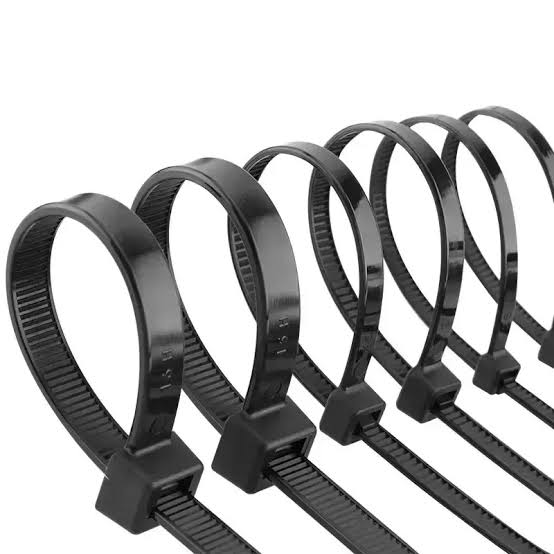
Cable Ties for Fibre Installation
Cable ties are among the most frequently used consumables in networking.
Common materials include:
Nylon 6/6
UV-resistant nylon
Stainless steel
For fibre networks, they are used to:
Organize patch cords
Secure cables to brackets
Manage cable inside cabinets
Fix protective conduit
Organize equipment racks
Secure fibre slack
Current Kenyan pricing examples include approximately KES 200–800 excluding VAT, depending on cable-tie dimensions and pack specifications.
A 150 × 3.6mm black cable-tie listing is currently around KES 250 excluding VAT, while a 300 × 4.8mm version is around KES 750 excluding VAT.
Do Not Over-Tighten Cable Ties on Fibre
Fibre cable should never be compressed excessively.
Over-tightened ties can cause:
Jacket deformation
Microbending
Increased attenuation
Mechanical stress
Long-term fibre damage
The cable tie should hold the fibre securely without crushing it.
For sensitive patch cords, reusable hook-and-loop fasteners are often preferable.
Fibre Cleaning Wipes
Cleanliness is extremely important in fibre optics.
Even microscopic contamination can affect optical performance.
Lint-free fibre cleaning wipes are designed for cleaning:
Bare fibre
Fibre connector end faces
Cleaver components
Splicing tools
Optical adapters
A current Kenya listing for 280 fibre-optic cleaning wipes is approximately KES 577 gross. The product is described as non-fraying and suitable for cleaning connector and fibre surfaces.
Why Lint-Free Wipes Matter
Ordinary tissue paper can leave:
Fibres
Dust
Residue
Paper particles
These contaminants may cause poor splice quality or connector loss.
Lint-free wipes minimize contamination.
Isopropyl Alcohol for Fibre Cleaning
Isopropyl alcohol (IPA) is commonly used with lint-free wipes to clean stripped fibre before cleaving and fusion splicing.
High-purity IPA evaporates quickly and leaves relatively little residue.
Common fibre-cleaning applications include:
Removing buffer residue
Cleaning stripped glass fibre
Cleaning tools
Cleaning selected optical surfaces
Removing grease and contamination
Current Kenyan retail examples for 99% or 99.9% IPA include approximately:
| Size | Current Market Example |
|---|---|
| 120ml | KES 499 |
| 250ml | KES 599–649 |
| 500ml | KES 749–829 |
| 1L | KES 1,500–1,800 |
| 5L | Around KES 3,999 |
For fibre work, use appropriately pure IPA and clean dispensing procedures to avoid introducing contamination.
Fibre Cleaning Swabs
Cleaning swabs are useful in locations that are difficult to reach with standard wipes.
Typical applications include:
SC adapters
LC adapters
Connector ports
Fibre equipment
Optical transceiver interfaces
The swab should be designed for fibre-optic cleaning where precision optical surfaces are involved.
Alcohol Wipes and Swabs
Pre-moistened alcohol pads are another convenient field consumable.
Kenyan marketplace examples currently start at approximately KES 315–499 per pack, depending on quantity and specification.
However, dedicated lint-free fibre wipes are preferable for critical optical surfaces.
Cable Warning and Caution Tape
Warning tape helps identify:
Fibre routes
Trenches
Restricted work areas
Underground network infrastructure
Construction zones
Current Kenyan caution-tape listings range from approximately KES 500 to KES 1,499+, depending on length, print and construction.
For underground fibre projects, use tape specifically designed and labelled for buried communications infrastructure where required by the project specification.
Watch Fibre Cable Protection and Consumables Video
Fibre protection materials may represent only a small percentage of the total cost of an installation, but they help protect much more expensive network infrastructure. Using proper splice sleeves, cable-management materials and fibre-cleaning consumables reduces avoidable failures during installation and maintenance.
Consumables should also be selected according to their exact application. A 60mm fusion-splice sleeve cannot simply be replaced by ordinary heat-shrink tubing, and ordinary paper tissues should not replace lint-free fibre cleaning wipes when preparing a fibre for precision splicing.
For contractors and ISPs, keeping a reliable stock of protection sleeves, cable ties, IPA, wipes, heat-shrink tubing and other consumables reduces delays when technicians are dispatched for installations, repairs and emergency restoration work.
Fibre Cable Protection and Consumables Price in Kenya
Current Kenyan online references provide the following approximate market picture:
| Fibre Consumable | Approximate Kenya Price |
|---|---|
| 60mm Protection Sleeves – 100pcs | KES 2,500–3,500 ex. VAT |
| 40mm Protection Sleeves – 100pcs | Around KES 950 |
| Individual 60mm Sleeve | From around KES 15 depending on supplier |
| General Heat-Shrink Kit | KES 750–1,170 |
| 6mm Heat-Shrink Tube Example | Around KES 450 |
| Nylon Cable Ties | KES 200–800 ex. VAT |
| 150 × 3.6mm Black Cable Ties | Around KES 250 ex. VAT |
| 300 × 4.8mm Black Cable Ties | Around KES 750 ex. VAT |
| 280 Fibre Cleaning Wipes | Around KES 577 gross |
| 99% IPA 250ml | KES 599–649 |
| 99% IPA 500ml | KES 749–829 |
| 99% IPA 1L | KES 1,500–1,800 |
| Spiral Cable Wrap 50m Example | Around KES 7,500 |
| Warning / Caution Tape | About KES 500–1,499+ |
These are third-party market references rather than fixed Fiber Optics Kenya prices. Pack size, specification, quality, brand, VAT and quantity can substantially affect the final price.
What Affects Fibre Consumables Prices?
Prices depend on:
Product type
Pack quantity
Sleeve length
Heat-shrink quality
Stainless reinforcement
Cable-tie size
UV resistance
IPA purity
Cleaning-wipe quantity
Spiral-wrap diameter
Roll length
Manufacturer
Wholesale quantity
VAT
Import costs
Fibre Splice Protection Sleeve Price in Kenya
For large splicing projects, purchasing sleeves in packs is usually more economical.
Current examples include:
KES 2,500 ex. VAT for 100 × 60mm sleeves from one supplier.
KES 3,100 ex. VAT from another Kenyan supplier.
KES 3,200 ex. VAT from another store.
KES 3,500 ex. VAT for another 100-piece pack.
Prices should therefore be compared together with the actual sleeve construction and pack quantity.
Recommended Fibre Consumables for Fusion Splicing

A fibre-splicing team should normally carry:
| Consumable | Purpose |
|---|---|
| 60mm Protection Sleeves | Protect finished fusion splice |
| 40mm Sleeves | Compact splice trays |
| 99%+ IPA | Clean stripped fibre |
| Lint-Free Wipes | Clean fibre before cleaving |
| Cleaning Swabs | Clean optical interfaces |
| Cable Ties | Cable organization |
| Electrical Tape | General cable finishing |
| Heat-Shrink Tube | Protection and repairs |
| Labels / Marker | Fibre identification |
Consumables for Outdoor Fibre Installation
Outdoor fibre teams may additionally require:
UV-resistant cable ties
Spiral protective wrap
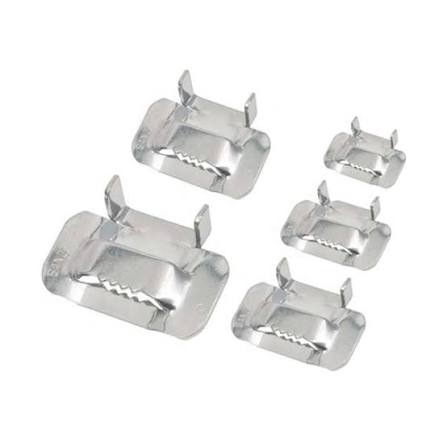
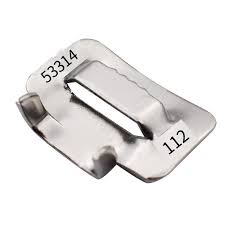
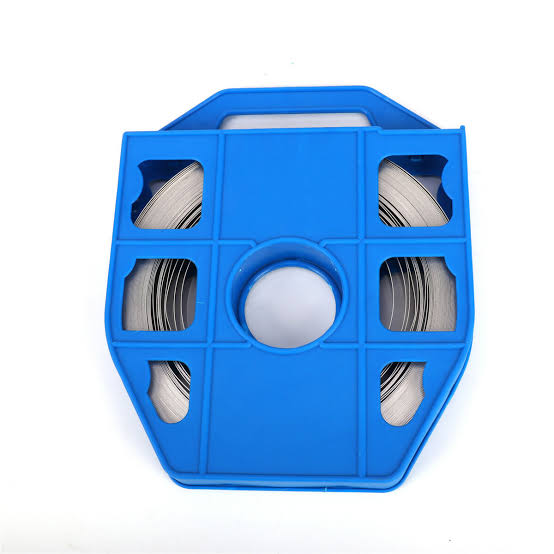
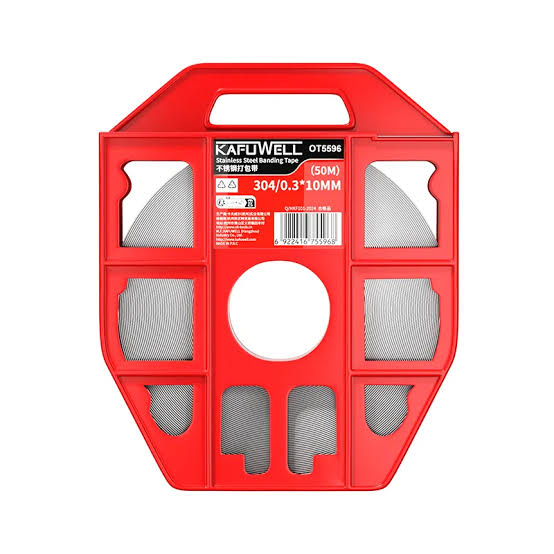
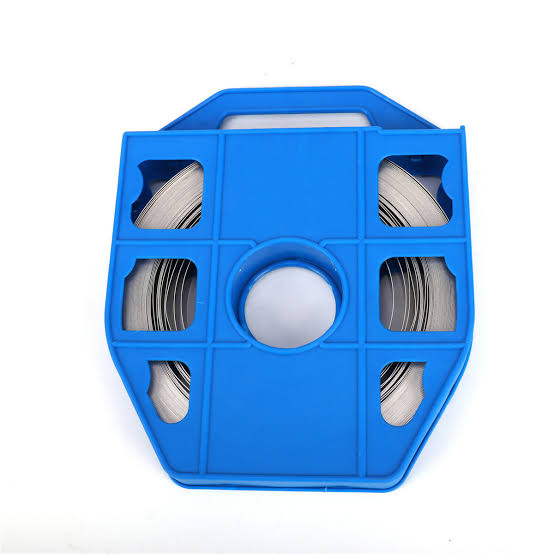
Stainless-steel banding
Band buckles
Warning tape
Protective conduit
Duct plugs
Cable labels
Weather-resistant tape
Cable lubricant where approved
Cable pulling accessories
Consumables for FTTH Installation
Typical FTTH installation consumables include:
Fibre splice sleeves
Cable ties
Fibre wipes
IPA
SC/APC connector cleaning materials
Heat-shrink tubing
Labels
Cable clips
Double-sided mounting materials
Drop cable protection accessories
Consumables for Fibre Closures
For splice-closure installations, technicians commonly require:
Splice sleeves
Cable ties
Cleaning wipes
IPA
Insulation tape
Sealing components
Heat-shrink components
Labels
Cable-fixing accessories
The exact closure manufacturer's sealing instructions should always take priority.
Fibre Protection During Fusion Splicing
A professional fusion-splicing process typically follows:
Strip the cable.
Access the fibre.
Strip the fibre coating.
Clean the bare fibre using suitable IPA and lint-free material.
Cleave the fibre.
Place fibres into the fusion splicer.
Perform the splice.
Move the protection sleeve over the joint.
Heat-shrink the sleeve.
Allow it to cool.
Position it inside the splice tray.
Route fibre without sharp bending.
Why Fibre Must Be Clean Before Splicing
Contamination can cause:
High splice loss
Weak fusion
Fibre cleaving problems
Arc instability
Poor optical performance
Repeat splicing
Cleaning consumables therefore form a critical part of every splicing kit.
Common Fibre Protection Mistakes
Avoid:
Splicing without a protection sleeve
Using ordinary heat shrink instead of a reinforced splice sleeve
Reusing damaged sleeves
Handling stripped fibre with dirty fingers
Using contaminated IPA
Cleaning with lint-producing tissue
Over-tightening cable ties
Creating tight fibre bends
Storing fibre in dirty containers
Leaving splice trays open
Allowing connector end faces to remain uncovered
Choosing the Correct Fibre Protection Sleeve
Check:
Sleeve length
Fibre type
Splice tray dimensions
Fusion-splicer heater compatibility
Reinforcement rod
Inner adhesive construction
Shrink temperature
Pack quantity
60mm vs 45mm vs 40mm vs 35mm Sleeves
Fibre protection sleeves are available in multiple lengths.
| Sleeve Length | Common Use |
|---|---|
| 60mm | Standard fibre splicing |
| 45mm | Compact applications |
| 40mm | FTTH boxes and smaller trays |
| 35mm | Miniature splice applications |
| 25mm | Specialized compact fibre trays |
Smaller does not automatically mean better. The sleeve must fit the splice holder and provide adequate mechanical support.
Why the Stainless-Steel Rod Matters
The rod inside a conventional splice sleeve acts as a strength member.
It helps protect the fragile fused glass joint from:
Bending
Compression
Pulling
Handling damage
A quality sleeve uses a smooth reinforcing member to reduce the chance of damaging the fibre during installation.
Fibre Cable Protection for Outdoor Networks
Cable protection becomes especially important outdoors because cables are exposed to:
Sunlight
Rain
Wind
Dust
Temperature changes
Animals
Abrasion
Vehicle and construction activity
Suitable protective products may therefore include:
HDPE ducts
Cable conduits
Spiral wraps
UV-resistant ties
Warning tape
Downlead clamps
Cable storage brackets
Stainless-steel pole bands
Frequently Asked Questions
What are fibre cable protection consumables?
They are materials used to protect, clean, secure and maintain fibre optic cables and connections.
What are the most common fibre consumables?
Protection sleeves, IPA, lint-free wipes, cable ties, heat shrink, spiral wrap, cleaning swabs and cable labels are among the most common.
What is a fibre protection sleeve?
It is a heat-shrinkable reinforced sleeve installed over a fusion-spliced fibre joint.
Why is a splice sleeve necessary?
The fibre coating is removed during splicing, leaving the splice mechanically vulnerable.
What is inside a fibre protection sleeve?
Most conventional versions contain heat-shrink material, an adhesive inner layer and a reinforcing rod.
Is the reinforcement made from stainless steel?
Common single-fibre protection sleeves use a stainless-steel reinforcement member.
What is the most common sleeve size?
60mm is one of the most common standard sizes.
Are 40mm sleeves available?
Yes.
Are 45mm sleeves available?
Yes.
Are 35mm sleeves available?
Yes.
How many sleeves are normally in a packet?
A common pack contains 100 sleeves.
How much are 60mm protection sleeves in Kenya?
Current 100-piece pack examples range approximately from KES 2,500 to KES 3,500 excluding VAT.
Can I buy fibre sleeves individually?
Yes. Some suppliers list individual sleeves.
Can ordinary heat shrink replace a splice sleeve?
No. A proper fusion-splice sleeve includes reinforcement specifically designed to protect the fibre joint.
What is IPA used for in fibre installation?
IPA cleans stripped fibre and selected optical surfaces before splicing or connection.
What concentration of IPA is commonly used?
High-purity IPA such as 99% or 99.9% is commonly preferred for fibre cleaning.
How much is 1L IPA in Kenya?
Current market examples are approximately KES 1,500–1,800.
Why use lint-free wipes?
They reduce the risk of leaving fibres or particles on the optical fibre.
How much are fibre cleaning wipes?
One current 280-piece fibre-optic cleaning-wipe listing is approximately KES 577 gross.
Can I use tissue paper to clean fibre?
Dedicated lint-free fibre wipes are preferable because ordinary tissues can leave residue and fibres.
What are fibre cleaning swabs used for?
They are useful for cleaning optical adapters and hard-to-reach interfaces.
What are cable ties used for?
They secure and organize cables and accessories.
Can cable ties damage fibre?
Yes, if over-tightened.
What cable ties are best outdoors?
UV-resistant black nylon or other outdoor-rated ties are typically preferable.
How much are cable ties in Kenya?
Depending on size and pack configuration, current Kenyan examples range from approximately KES 200 to KES 800 excluding VAT.
What is spiral cable wrap?
It is flexible plastic wrapping used to bundle and protect cables.
Can spiral wrap be reused?
Many designs can be removed and reused.
Can individual cables exit from spiral wrap?
Yes, one of its advantages is easy cable breakout.
What is heat-shrink tubing used for?
It provides insulation, strain relief and mechanical protection.
How much is a heat-shrink kit in Kenya?
Current examples are roughly KES 750–1,170, depending on pack size.
What is warning tape used for?
It identifies hazards, trenches, work zones or buried infrastructure.
How much is warning tape in Kenya?
Current general warning/caution tape examples range from approximately KES 500 to KES 1,499+.
Can fibre consumables be used for FTTH?
Yes.
Can they be used for GPON networks?
Yes.
Can they be used for EPON?
Yes.
Are they suitable for ISP networks?
Yes.
Do fibre installers need protection sleeves on every fusion splice?
Normally every fusion splice that requires protected storage in a conventional splice tray should receive an appropriate splice protector.
Should the splice sleeve cool before going into the tray?
Yes. Allow it to stabilize sufficiently after heating before placing it into the holder.
Can a used splice sleeve be reused?
No. Heat-shrink splice sleeves are normally single-use.
Can protection sleeves expire?
Their condition can deteriorate through improper storage, contamination or heat exposure, so they should be stored properly.
How should fibre consumables be stored?
Keep them dry, clean and protected from excessive heat, dust and direct sunlight.
Can I buy these consumables in bulk?
Yes. Bulk packs are particularly suitable for fibre contractors and ISPs.
Do you supply 60mm fibre protection sleeves?
Yes, subject to stock availability.
Do you supply 40mm fibre sleeves?
Yes, subject to stock availability.
Do you supply fibre cleaning wipes?
Yes, subject to availability.
Do you supply isopropyl alcohol?
Fibre-cleaning consumables can be supplied depending on available stock and shipping requirements.
Do you supply cable ties?
Yes.
Do you supply heat-shrink tubing?
Yes, subject to stock.
Do you supply spiral cable wrap?
Yes, subject to specification and stock availability.
Do you supply fibre optic tools as well?
Yes. Fibre installation tools and testing equipment can be supplied alongside consumables.
Do you deliver outside Nairobi?
Yes. Fiber Optics Kenya supplies fibre optic equipment and accessories throughout Kenya.
Recommended Fibre Installation Products
| Product | Application |
|---|---|
| Fusion Splicer | Joins optical fibres |
| Fibre Cleaver | Precision fibre preparation |
| Fibre Stripper | Removes coating |
| 60mm Protection Sleeves | Protect finished splices |
| IPA | Fibre cleaning |
| Lint-Free Wipes | Fibre preparation |
| VFL | Fault identification |
| Optical Power Meter | Optical level testing |
| OTDR | Fibre fault and distance testing |
| Cable Ties | Cable management |
| Heat Shrink | Cable protection |
| Spiral Wrap | Cable bundling/protection |
| Warning Tape | Route/work-area identification |
Why Buy Fibre Cable Protection and Consumables from Fiber Optics Kenya?
Fiber Optics Kenya can provide the consumables required for both individual fibre installations and larger contractor deployments, including fusion-splice sleeves, cable-protection materials, cleaning consumables, cable-management accessories and fibre installation tools.
Bulk purchasing is particularly useful for:
ISPs
FTTH contractors
Network installers
Telecom companies
Data centres
CCTV contractors
Government fibre projects
Enterprise network teams
Contact Fiber Optics Kenya
Fiber Optics Kenya
Lyric House, 7th Floor Room S9
Kimathi Street, Nairobi
Phone: +254 704 991 492
Email: info@fibreopticskenya.co.ke
Fibre Cable Protection and Consumables are essential to reliable fibre installation, splicing and maintenance. Products such as 40mm and 60mm splice protection sleeves, high-purity IPA, lint-free wipes, heat-shrink tubing, cable ties, spiral wrap and warning tape protect fibre against mechanical damage, contamination and poor cable management.
Current Kenyan pricing varies significantly by specification. For example, 100-piece 60mm fibre protection sleeve packs currently range from about KES 2,500 to KES 3,500 excluding VAT, while 40mm 100-piece packs can be found around KES 950.
Using the correct consumables is as important as using the correct fibre tools. Proper splice sleeves protect the fusion joint, clean IPA and lint-free wipes improve fibre preparation, and suitable cable-management products help prevent mechanical damage throughout the life of the network.
Contact Fiber Optics Kenya for current Fibre Cable Protection and Consumables prices in Kenya, 40mm and 60mm splice sleeves, fibre cleaning materials, cable ties, heat-shrink tubing, spiral cable protection, fibre installation tools, bulk contractor orders and nationwide delivery.