Fibre Cable Protection and Consumables Price in Kenya
Fibre Splice Protection Sleeve
KSh 3.00
1 available
Continue shoppingFibre Splice Protection Sleeve Price in Kenya
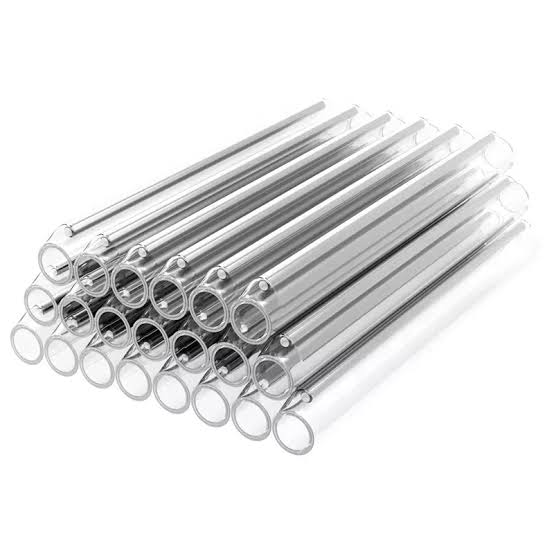
A Fibre Splice Protection Sleeve, also known as a fusion splice sleeve, fibre heat-shrink sleeve or splice protector, is a small but essential fibre optic consumable used to protect the fragile joint created when two optical fibres are fusion spliced.
During fusion splicing, the protective coating surrounding the glass fibre is stripped away so that the two bare fibres can be cleaved, aligned and fused. Although the completed splice can provide excellent optical performance, the exposed glass around the joint requires additional mechanical protection.
A typical splice protection sleeve solves this problem using a three-part construction consisting of a heat-shrink outer tube, hot-melt adhesive inner tube and stainless-steel reinforcing rod. Once heated in the fusion splicer's heater, the sleeve contracts around the splice and provides mechanical support and environmental protection.
Fibre Splice Protection Sleeve Specifications
| Specification | Typical 60mm Sleeve |
|---|---|
| Product Name | Fibre Splice Protection Sleeve |
| Alternative Names | Fusion Splice Sleeve, Heat-Shrink Splice Protector |
| Typical Length | 60mm |
| Other Common Size | 40mm |
| Application | Single-Fibre Fusion Splice Protection |
| Outer Tube | Heat-Shrink EVA / Polyolefin |
| Inner Tube | EVA / EVA+PE Hot-Melt Adhesive |
| Strength Member | Stainless-Steel Rod |
| Common Rod Material | Stainless Steel / SS304 depending model |
| Typical Rod Length | About 55mm on 60mm sleeves |
| Typical Finished Diameter | Around 2.4–2.9mm depending model |
| Fibre Compatibility | Singlemode & Multimode |
| Typical Pack Size | 100 Pieces |
| Colour | Clear / Transparent |
| Installation | Fusion-Splicer Heater |
| Applications | FTTH, GPON, EPON, ODF, Closures, FTBs |
Exact dimensions vary by manufacturer. For example, one 60mm design uses a 55 ±1mm SS304 rod and shrinks to 2.4 ±0.1mm, while another 60mm product shrinks to about 2.6mm.
What Is a Fibre Splice Protection Sleeve?
A fibre splice sleeve is placed over one fibre before the fusion splice is made.
After the fibres have been fused, the technician slides the sleeve over the splice and places it inside the heater built into the fusion splicer.
The process is:
Fibre → Sleeve Added → Fibre Stripped → Cleaned → Cleaved → Fusion Spliced → Sleeve Centred → Heated → Protected Splice
Once heated, the outer tube shrinks and the inner material melts around the fibre while the reinforcing rod provides mechanical rigidity.
Three-Part Construction
A quality fibre splice protection sleeve commonly contains three important components.
1. Heat-Shrink Outer Tube
The transparent outer tube shrinks when heated.
It:
Encapsulates the splice
Holds the sleeve assembly together
Provides environmental protection
Helps protect against handling
Allows visual inspection of the fibre
Clear outer tubes are specifically used so technicians can still see the fibre after splicing.
2. Hot-Melt Inner Tube
Inside the sleeve is a meltable adhesive tube, commonly made from EVA or an EVA/PE formulation.
When heated, this material softens and encapsulates the fibre.
It helps:
Stabilize the fibre
Seal the splice area
Reduce movement
Improve moisture resistance
Hold the components together
One documented 60mm sleeve uses an EVA+PE hot-melt fusion tube together with an EVA outer tube.
3. Stainless-Steel Reinforcing Rod
The metal rod provides mechanical strength.
Its purpose is to reduce bending around the fragile fusion joint.
Quality designs use rods with smooth, polished or rounded edges to reduce the risk of damaging the fibre during shrinking. Sumitomo specifies tempered stainless-steel reinforcement with rounded and polished edges in its protection sleeves.
Why the Stainless-Steel Rod Is Important
The glass fibre at the splice is extremely small and mechanically vulnerable.
The rod helps resist:
Bending
Compression
Handling stress
Vibration
Accidental movement
Without suitable reinforcement, a completed splice can be more vulnerable when technicians are arranging fibres inside a splice tray.
60mm Fibre Splice Protection Sleeve
The 60mm sleeve is one of the most common options for standard single-fibre fusion splicing.
One manufacturer specifies a 60mm sleeve for fibres with coating sizes between approximately 200 and 900µm, while RLH lists 60mm and 40mm protectors for fibre strands from 250 to 900µm.
Typical uses include:
Fibre closures
ODFs
Fibre termination boxes
FAT boxes
Patch panels
FTTH installations
Backbone fibre joints
40mm Fibre Splice Protection Sleeve
A 40mm protection sleeve provides the same basic function in a more compact format.
It is particularly useful where the splice tray has limited space.
Typical applications include:
Compact FTTH boxes
Mini splice trays
Small termination boxes
High-density fibre enclosures
RLH offers both 40mm and 60mm protection sleeves with stainless-steel strength members.
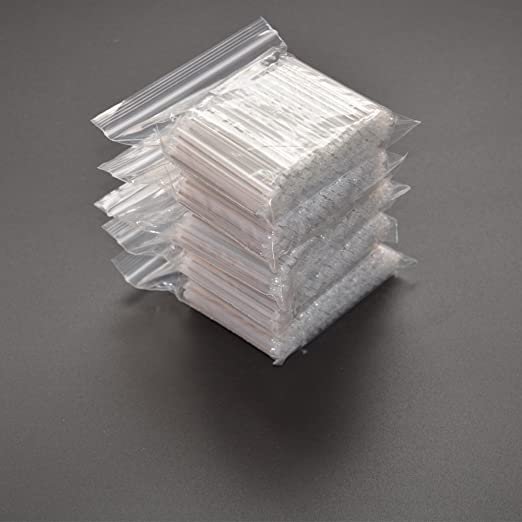
40mm vs 60mm Fibre Splice Protection Sleeve
| Feature | 40mm | 60mm |
|---|---|---|
| Length | 40mm | 60mm |
| Installation Space | Compact | Larger |
| Fusion Splice Protection | Yes | Yes |
| Stainless-Steel Reinforcement | Common | Common |
| Compact FTTH Boxes | Excellent | Model Dependent |
| Standard Splice Trays | Yes | Excellent |
| Single-Fibre Applications | Yes | Yes |
Neither size is automatically better. The correct choice depends primarily on the splice tray, sleeve holder and equipment specification.
How Fibre Splice Protection Sleeves Work
Before splicing:
──── Fibre ──── [ Sleeve ]
The sleeve is moved away from the exposed working area.
After fusion:
Fibre ──────── Fusion Joint ──────── Fibre
The sleeve is then centred:
Fibre ─── [ Fusion Joint + Sleeve ] ─── Fibre
After heating:
Fibre ─── [ Reinforced Protected Splice ] ─── Fibre
The finished protector can then be placed into its holder in the splice tray.
Watch How to Install a Fibre Splice Protection Sleeve
The protection sleeve should be placed on one of the fibres before fusion splicing. Forgetting this step means the technician cannot simply slide a conventional closed sleeve onto the finished joint afterward without redoing the splice.
After the splice is completed and checked, the sleeve is centred over the exposed fibre and fusion point. The complete assembly is then placed in the fusion splicer's heater, where the heat-shrink tube contracts and the inner material encapsulates the joint.
Once heating is complete, the protector should be handled carefully while hot, allowed to cool appropriately and then placed into the designated splice-protector holder in the closure, ODF or termination box.
How to Install a Fibre Splice Protection Sleeve
Slide the sleeve onto one fibre before splicing.
Move it away from the stripping area.
Strip the fibre coating.
Clean the bare fibre with suitable fibre-cleaning materials.
Cleave both fibres.
Place the fibres into the fusion splicer.
Perform the fusion splice.
Check the splice result.
Carefully remove the fibre from the splicer.
Slide the sleeve over the joint.
Centre the fusion point inside the sleeve.
Place the sleeve in the heater.
Run the correct heating cycle.
Remove the heated sleeve carefully.
Allow it to cool.
Place it into the splice tray holder.
This basic sequence is consistent with manufacturer guidance for heat-shrink fusion splice protectors.
Why Centre the Splice Inside the Sleeve?
The fusion point should sit approximately in the protected central region.
Poor positioning can leave part of the stripped fibre insufficiently supported.
Correct centring helps ensure:
Better mechanical support
Correct heat-shrink coverage
Proper splice-tray fit
Reduced bending stress
Fibre Splice Sleeve Heating
A fusion splicer normally contains a dedicated heater.
Typical process:
Place Sleeve → Close Heater → Start Cycle → Sleeve Shrinks → Remove → Cool
The required shrink temperature depends on the sleeve. Published products commonly specify shrink temperatures around 110–130°C or approximately 120°C, but the exact sleeve and splicer settings should be followed.
Can You Use a Heat Gun?
Some protection sleeves can technically be shrunk using suitable external heating equipment, but for professional fusion-splicing work the fusion splicer's controlled sleeve heater is generally preferable.
It provides:
More controlled heating
Even shrinkage
Repeatability
Better fibre positioning
Reduced risk of overheating
Transparent Fibre Splice Sleeves
Most common sleeves are transparent.
This allows the installer to:
See fibre colour
Check splice position
Inspect sleeve alignment
Identify obvious movement
Confirm the joint is centred
Leviton specifically uses a clear outer tube so fibre colour remains visible.
Fibre Splice Sleeve for Singlemode Fibre
Yes. Standard single-fibre splice sleeves are suitable for singlemode optical fibre when compatible with the fibre coating and splice tray.
Applications include:
OS2 fibre
G.652D
G.657A1
G.657A2
FTTH feeder networks
Drop fibre networks
Fibre Splice Sleeve for Multimode Fibre
They can also protect compatible multimode fusion splices.
Typical examples include:
OM1
OM2
OM3
OM4
OM5
The protector itself is primarily a mechanical component, rather than something that determines the optical mode of the fibre.
Fibre Splice Protection Sleeve for FTTH
FTTH installations frequently require fusion splicing at:
FAT boxes
Distribution boxes
Closures
ATBs
ODFs
Splitter boxes
Protection sleeves keep these fusion joints mechanically stable inside the splice tray.
Fibre Splice Sleeves for GPON
A typical GPON path may be:
OLT → ODF → Feeder Fibre → Closure → Splitter → FAT → Drop Fibre → ONT
Every fusion-spliced point along the route may require appropriate splice protection.
Fibre Splice Sleeves for EPON
The same sleeves can be used for compatible EPON fibre infrastructure.
The protection sleeve does not distinguish between GPON and EPON signals—it protects the physical fibre joint.
Fibre Splice Sleeves for Fibre Closures
Closures normally contain splice trays with dedicated sleeve holders.
After heating and cooling:
Protected Splice → Splice Holder → Fibre Routed in Tray
The sleeve must fit the closure's holder correctly.
Fibre Splice Sleeves for ODFs
ODFs use splice trays to organize incoming cable fibres and pigtails.
Typical process:
Incoming Fibre → Fusion Splice → Pigtail → Adapter → Patch Cord
The splice sleeve protects the fusion point between the cable fibre and pigtail.
Fibre Splice Protection Sleeve Price in Kenya
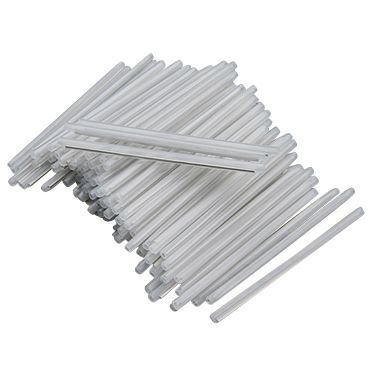
Current Kenyan online prices vary considerably by supplier and product specification:
| Current Kenya Listing | Pack | Price |
|---|---|---|
| Instant Device 60mm | 100pcs | KES 500 |
| Mtech 60mm | 100pcs | KES 2,500 excl. VAT |
| TDK 60mm | 100pcs | KES 3,100 excl. VAT |
| Informed Systems 60mm | 100pcs | KES 3,200 excl. VAT |
| Supreme Networks 60mm | 100pcs | KES 3,500 excl. VAT |
These are current third-party online references rather than fixed Fiber Optics Kenya prices. The wide range makes it important to compare the actual construction, dimensions, quantity and quality, rather than price alone.
60mm Fibre Splice Protection Sleeve Price in Kenya
A current 100-piece 60mm pack is listed at KES 500 by one Kenyan supplier. The listing specifies a clear 60mm sleeve, steel strength rod, 1.9mm pin diameter and compatibility with singlemode and multimode fibre.
Other current 100-piece listings are significantly higher, including KES 2,500 excl. VAT at Mtech and KES 3,100 excl. VAT at TDK.
For Fiber Optics Kenya's current price, contact us for a quotation.
Why Fibre Splice Sleeve Prices Differ
Price differences may reflect:
Sleeve length
Sleeve diameter
Stainless-steel rod size
Steel grade
Outer tube material
Inner adhesive
Shrinking consistency
Pack quantity
Brand
Quality control
Wholesale quantity
VAT
For professional fibre work, consistent shrink performance and smooth reinforcement components are more important than simply buying the cheapest sleeve.
40mm vs 60mm Price
Both 40mm and 60mm sleeves are available locally. One current Kenyan supplier lists 100-piece packs of both 40mm and 60mm sleeves at KES 2,500 excluding VAT.
This demonstrates that sleeve length alone does not determine price.
Fibre Splice Sleeve vs Ordinary Heat-Shrink Tube
| Feature | Splice Protection Sleeve | Ordinary Heat Shrink |
|---|---|---|
| Fusion Splice Protection | Yes | Not specifically |
| Reinforcement Rod | Yes | Usually No |
| Hot-Melt Inner Layer | Common | Model Dependent |
| Splice-Tray Compatible | Yes | Not necessarily |
| Mechanical Support | High | Limited |
| Optical Fibre Application | Purpose-Built | General |
| Recommended for Fusion Joint | Yes | No substitute |
Do not replace a proper splice protector with ordinary electrical heat shrink where a reinforced fibre sleeve is required.
Fibre Splice Sleeve vs Mechanical Splice
These are completely different products.
A splice protection sleeve protects a fibre that has already been fusion spliced.
A mechanical splice physically aligns and joins two fibres without fusion.
Common Fibre Splice Sleeve Sizes
| Size | Typical Application |
|---|---|
| 25mm | Specialized compact applications |
| 35mm | Mini splice holders |
| 40mm | Compact FTTH boxes |
| 45mm | Medium compact applications |
| 60mm | Standard fusion splicing |
| 61mm Slim | High-density/specialized holders |
Manufacturer documentation confirms that both standard 40mm and 60mm single-fibre protectors are widely available.
Common Installation Mistakes
Avoid:
Forgetting to install the sleeve before splicing
Using the wrong sleeve length
Poorly centring the splice
Heating for too little time
Overheating the sleeve
Bending the fibre while the sleeve is hot
Putting the sleeve into the tray before it stabilizes
Using a damaged sleeve
Reusing a sleeve
Forcing a 60mm protector into a 40mm holder
What Happens If You Forget the Sleeve?
With a conventional closed protection sleeve, you generally cannot put it over the finished splice afterward.
The technician may need to:
Cut → Re-strip → Clean → Re-cleave → Add Sleeve → Re-splice
This wastes fibre length and installation time.
A useful habit is therefore:
Sleeve first, splice second.
Can a Fibre Splice Sleeve Be Reused?
No.
A standard heat-shrink fibre splice sleeve is a single-use consumable.
Once shrunk, it should not be removed and reused on another splice.
Does the Sleeve Affect Optical Loss?
The sleeve does not form the optical connection itself.
The fusion splice determines optical continuity, while the sleeve provides physical protection. A correctly installed sleeve should protect the splice without compromising its optical performance. Sumitomo's sleeves are designed to preserve fibre protection while keeping the assembly aligned during shrinking.
Recommended Accessories
| Product | Purpose |
|---|---|
| Fusion Splicer | Joins optical fibres |
| Fibre Cleaver | Precision fibre cutting |
| Fibre Stripper | Removes fibre coating |
| IPA | Cleans bare fibre |
| Lint-Free Wipes | Removes contamination |
| Splice Protection Sleeve | Protects finished joint |
| Fibre Closure | Protects outdoor splices |
| ODF | Fibre termination |
| FAT Box | FTTH distribution |
| Pigtails | Fibre termination |
| OTDR | Tests completed fibre |
| Optical Power Meter | Measures optical power |
| VFL | Visual fault identification |
Frequently Asked Questions About Fibre Splice Protection Sleeves
What is a fibre splice protection sleeve?
It is a heat-shrinkable reinforced sleeve used to protect a fusion-spliced optical fibre.
Why is it needed?
Fusion splicing requires removal of the fibre's protective coating, leaving the completed joint mechanically vulnerable.
What is inside the sleeve?
A typical design contains a heat-shrink outer tube, hot-melt inner tube and stainless-steel reinforcing rod.
What is the standard sleeve length?
60mm is one of the most common sizes.
Are 40mm sleeves available?
Yes.
Which is better, 40mm or 60mm?
Neither is universally better. Choose according to the splice tray and holder.
What is the stainless-steel rod for?
It reinforces the fusion joint against bending and handling stress.
Is SS304 used?
Yes, some higher-specification protectors use 304 stainless steel.
How long is the rod in a 60mm sleeve?
A common design uses approximately a 55mm rod.
What material is the inner tube?
EVA or an EVA/PE formulation is common.
What material is the outer tube?
EVA or heat-shrink polyolefin is commonly used, depending on manufacturer.
Why is the sleeve transparent?
It allows the technician to inspect fibre position and colour.
When should I put the sleeve onto the fibre?
Before fusion splicing.
When is it heated?
After the fusion splice has been completed.
What heats the sleeve?
Normally the heater built into a fusion splicer.
What temperature does it shrink at?
Many products specify approximately 110–130°C or around 120°C, but follow the exact sleeve and splicer instructions.
Can I use a heat gun?
Some sleeves can be heat-shrunk externally, but a controlled fusion-splicer heater is generally preferable for fibre work.
How long does shrinking take?
It depends on the sleeve and splicer. One Kenyan 60mm product specifies a maximum installation time of around 90 seconds.
Should I centre the splice?
Yes.
Can the sleeve be bent immediately after heating?
Avoid unnecessary bending while it is still hot.
Can I reuse a protection sleeve?
No.
Can ordinary heat shrink replace it?
Not where a reinforced fusion-splice protector is required.
Can I use it with singlemode fibre?
Yes.
Can I use it with multimode fibre?
Yes.
Can it be used with G.652D fibre?
Yes, with compatible coating dimensions and tray hardware.
Can it be used with G.657A fibre?
Yes, subject to the sleeve and tray specifications.
Can it be used in FTTH?
Yes.
Can it be used in GPON?
Yes.
Can it be used in EPON?
Yes.
Can it be used in fibre closures?
Yes.
Can it be used in an ODF?
Yes.
Can it be used in a FAT box?
Yes, provided the splice tray accepts the sleeve size.
Can it be used in termination boxes?
Yes.
How many sleeves are usually in a pack?
100 pieces is a common Kenyan pack size.
How many splices can 100 sleeves protect?
Normally 100 single-fibre splices, assuming one sleeve per splice.
What is the Fibre Splice Protection Sleeve price in Kenya?
Current 100-piece 60mm online listings range from approximately KES 500 to KES 3,500 excluding VAT where applicable, depending on supplier and specification.
Why is there such a large price difference?
Construction, rod dimensions, materials, quality, brand, sourcing and retailer margins can differ substantially.
Do you supply 60mm fibre splice sleeves?
Yes, subject to stock availability.
Do you supply 40mm sleeves?
Yes, subject to availability.
Do you supply fusion splicers?
Yes.
Do you supply fibre cleavers?
Yes.
Do you supply fibre strippers?
Yes.
Do you supply fibre cleaning consumables?
Yes, subject to availability.
Do you supply fibre closures?
Yes.
Do you supply ODFs?
Yes.
Can fibre contractors buy sleeves in bulk?
Yes. Bulk packs are ideal for ISPs, FTTH contractors, telecom companies and network installers.
Do you deliver outside Nairobi?
Yes. Fiber Optics Kenya supplies fibre optic equipment and accessories throughout Kenya.
Why Buy Fibre Splice Protection Sleeves from Fiber Optics Kenya?
| Fiber Optics Kenya Solution | Application |
|---|---|
| 60mm Protection Sleeves | Standard fusion splicing |
| 40mm Protection Sleeves | Compact splice trays |
| Fusion Splicers | Fibre joining |
| Fibre Cleavers | Precision cleaving |
| Fibre Strippers | Fibre preparation |
| Cleaning Consumables | Splice preparation |
| Fibre Closures | Outdoor splice protection |
| ODFs | Fibre termination |
| FAT Boxes | FTTH distribution |
| OTDRs | Fibre testing |
| VFLs | Fault identification |
| Optical Power Meters | Optical testing |
| Bulk Supply | ISP and contractor projects |
| Nationwide Delivery | Supply throughout Kenya |
Contact Fiber Optics Kenya
Fiber Optics Kenya
Lyric House, 7th Floor Room S9
Kimathi Street, Nairobi
Phone: +254 704 991 492
Email: info@fibreopticskenya.co.ke
The Fibre Splice Protection Sleeve is an essential consumable for professional fusion splicing. A typical sleeve combines a heat-shrink outer tube, hot-melt adhesive layer and stainless-steel reinforcement rod to restore mechanical protection around the exposed fusion joint.
The 60mm sleeve remains a common choice for standard fibre closures, ODFs and splice trays, while 40mm sleeves are useful where installation space is limited. Selecting the correct size for the splice tray is just as important as selecting the correct fibre tools.
Current Kenyan online prices vary widely, from about KES 500 to KES 3,500 for 100-piece 60mm packs, depending on product construction, quality and supplier. Buyers should therefore compare the actual sleeve specification rather than price alone.
Contact Fiber Optics Kenya for current Fibre Splice Protection Sleeve prices in Kenya, 40mm and 60mm sleeves, fusion splicers, fibre cleavers, cleaning consumables, fibre closures, ODFs, bulk contractor orders and nationwide delivery.