Professional Fiber Optic Contractors in Kenya are important for homes, offices, schools, estates, clinics, hotels, warehouses, shops, and organizations that need reliable internet infrastructure instead of temporary cable fixes. Fiber optic connectivity can deliver excellent speed and stability, but only when the design, cable routes, terminations, equipment, testing, and support are handled properly. A weak installation can make an expensive internet package feel slow, unstable, or difficult to maintain.
The keyword Professional Fiber Optic Contractors in Kenya describes more than a technician who can pull cable through a wall. A professional contractor should understand site assessment, fiber cable handling, termination standards, router and switch placement, access point design, documentation, testing, troubleshooting, safety, and customer communication. Those details determine whether a network can support real Kenyan usage, including video calls, payments, cloud systems, CCTV, online learning, streaming, guest Wi-Fi, and staff operations.
This guide explains how to choose the right contractor, what to ask before installation, how to evaluate quotes, which products matter, why testing is essential, and how internal network planning affects fiber performance. It also includes internal links to useful Fiber Optics Kenya resources, including About Us, Services, How It Works, and FAQ. Use those pages alongside this article when planning a new connection, an office upgrade, a structured cabling project, or a repair of an unreliable network.
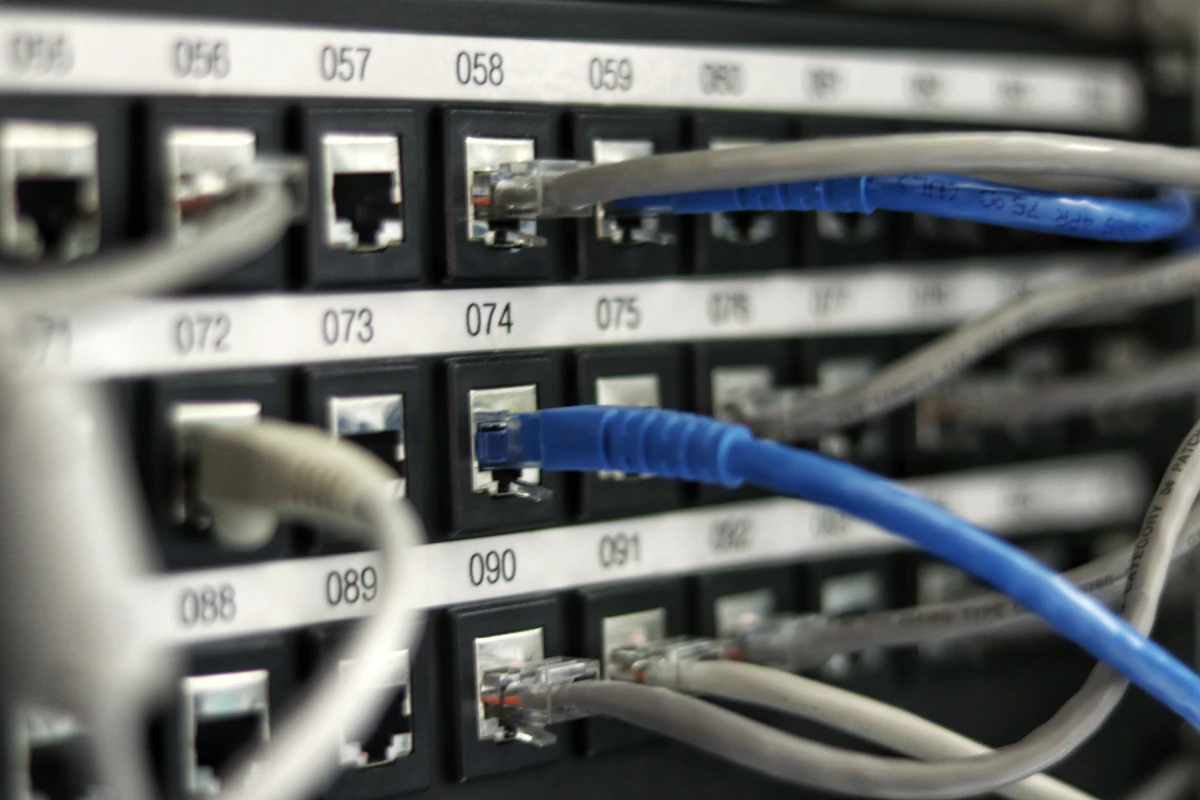
Why professional fiber contractors matter
Fiber optic cable is powerful but sensitive. It carries data through light, which means cable quality, bending radius, connector cleanliness, splicing or termination quality, route protection, and final testing matter. A careless installation may work briefly, but it can later produce intermittent faults, low speeds, signal loss, physical damage, or connection drops that are hard to diagnose. Professional contractors reduce those risks by following a deliberate process from survey to handover.
In Kenya, many properties have unique installation challenges. Some apartments have difficult risers, thick walls, limited access, or shared ducts. Offices may have older cabling that was added in stages without records. Estates may require management approval before cable routes are used. Shops and restaurants may need installation outside operating hours. Schools and clinics may need reliable service in multiple rooms and buildings. A professional contractor looks at these conditions before promising a solution.
The contractor also protects the value of the customer investment. Fiber equipment, routers, switches, access points, cabinets, patch panels, and power protection cost money. If the installation is rushed, the customer may pay twice: once for the original work and again for repairs. A professional contractor helps the customer avoid unnecessary replacements by designing the network correctly the first time.
Another reason professionalism matters is accountability. When a contractor documents routes, labels cables, tests points, and explains what was installed, future troubleshooting is easier. If a user reports slow Wi-Fi, the support team can identify whether the problem is the internet provider, router, switch, access point, cable, device, or user load. Without documentation, support becomes guesswork.
Professional Fiber Optic Contractors in Kenya should also understand that customer needs differ. A home user may mainly need reliable Wi-Fi for remote work and streaming. A business may need payment terminals, staff laptops, CCTV, printers, and guest Wi-Fi to run smoothly. A school may need computer labs, administration offices, and learning platforms online. A contractor who treats all sites the same will miss important details.
What a professional contractor should assess first
The first step should be an assessment, not a quote copied from another site. A contractor should ask where the property is, what service is currently available, how many users need access, which devices will connect, where the router can be placed, how cables can be routed, and whether the building has restrictions. The answers shape the entire project.
For homes, the assessment should check building size, number of floors, wall thickness, expected Wi-Fi coverage, smart TV locations, work desks, gaming areas, and existing router position. In many homes, the fiber line reaches the building correctly, but the indoor Wi-Fi fails because the router is hidden in a corner, placed behind metal, or too far from the rooms where people actually connect.
For offices, the assessment should check desk positions, meeting rooms, server or cabinet space, printers, CCTV points, payment devices, VoIP phones, access points, guest areas, and possible expansion. A small office may need only a clean router and switch setup, while a growing office may need structured cabling, a cabinet, labeled patch panels, managed switching, and separate networks for staff and guests.
For schools, clinics, warehouses, hotels, and multi-building sites, the contractor should consider user zones, cable distances, outdoor or inter-building links, power availability, device security, and maintenance access. A poor route can expose cable to rain, heat, accidental pulling, rodents, or physical damage. A professional route protects the cable and keeps future repairs manageable.
The assessment should also identify what the customer already owns. Existing routers, switches, access points, cabinets, and cables may still be usable, but they need to be checked. Reusing good equipment can reduce cost. Keeping weak or faulty equipment can undermine the entire installation. A professional contractor explains which items can stay and which ones should be replaced.
Products and materials used in fiber optic projects
Fiber optic projects may include several product categories. These include fiber cable, patch cords, connectors, termination boxes, optical network terminals, routers, switches, cabinets, patch panels, Ethernet cable, trunking, access points, surge protection, and backup power. The exact list depends on the site, the provider, and the local network requirements.
Cable quality matters because the physical route is the foundation of the network. Fiber cable should be handled carefully, protected from sharp bends, and installed where it is unlikely to be crushed, cut, soaked, or pulled. Ethernet cable used inside the building should also match the expected speed and environment. Cheap or poorly terminated cable can make troubleshooting difficult later.
Routers and switches should be chosen according to user load, internet speed, security needs, and expansion plans. A home router may not be enough for an office with many users, printers, access points, and CCTV devices. A basic switch may work for a small setup, but larger sites may need managed switches so the network can separate staff, guests, CCTV, and administration systems.
Access points are often the difference between a good fiber service and a frustrating experience. Fiber may bring speed into the building, but Wi-Fi delivers that speed to phones, laptops, tablets, and smart TVs. A contractor should recommend access points based on the layout, not simply place one router at the provider entry point. Wired access points are usually more reliable than depending on long wireless hops across thick walls.
Power products should also be considered. Routers, switches, access points, provider terminals, and cabinets need stable electricity. Surge protection and UPS backup are especially important for businesses, clinics, schools, payment systems, CCTV, and offices that cannot afford frequent restarts. Many network failures blamed on internet providers are actually caused by power instability.

Structured cabling and why it improves reliability
Structured cabling is a planned cabling system that connects rooms, desks, devices, cabinets, switches, and access points in an organized way. It is common in offices, schools, clinics, warehouses, hospitality sites, and larger homes. Instead of random cables running across floors or through unclear routes, structured cabling creates a clear physical network foundation.
A professional contractor should design cable routes so they are neat, protected, labeled, and testable. Wall outlets, patch panels, cable trays, trunking, cabinets, and switch ports should make sense together. If a desk is moved or a room is repurposed, the customer should be able to understand where cables go and how to reconnect devices.
Structured cabling improves reliability because wired connections are less affected by walls, interference, distance, and crowded wireless environments. Critical devices such as desktop computers, CCTV recorders, printers, payment systems, access points, and smart TVs often perform better when connected through cable. Wi-Fi remains important, but a wired backbone makes Wi-Fi stronger.
This is particularly important for businesses. A restaurant with a payment terminal, printer, CCTV, staff devices, and guest Wi-Fi cannot depend on a single weak router in a hidden corner. A clinic handling patient records should not lose access because one cable was poorly terminated. A school lab should not rely on improvised cables that students can pull loose. Structured cabling gives the site a more stable base.
Customers can learn more about how Fiber Optics Kenya approaches service planning on the Services page. That page explains product guidance, site survey, structured cabling, router setup, business support, home connectivity, troubleshooting, and upgrades. It is a useful internal resource when deciding what kind of contractor scope to request.
Questions to ask before hiring a contractor
Before hiring Professional Fiber Optic Contractors in Kenya, ask what kind of assessment they will perform. If a contractor gives a fixed price without understanding the building, cable route, user count, equipment needs, and access limitations, the quote may not reflect the actual work. A responsible contractor should either request detailed information or inspect the site for larger jobs.
Ask what materials will be used. The contractor should be able to explain cable type, connectors, trunking, cabinets, switches, routers, access points, and any accessories included. They should also explain whether the quote includes termination, labeling, testing, configuration, travel, and handover. A cheaper quote may exclude important items, making it harder to compare fairly.
Ask how testing will be done. At minimum, the contractor should verify that cable points work, Wi-Fi coverage is acceptable, and the internet performs in the rooms where users will connect. For larger projects, formal test results and documentation are useful. Testing only beside the router is not enough if the connection will be used across several rooms, floors, or buildings.
Ask who is responsible for support after installation. Some issues belong to the internet provider, while others belong to the local network. The contractor should explain what they support, what the provider supports, and what the customer should check before reporting a fault. This reduces confusion when problems occur.
Ask whether the contractor has experience with similar sites. A home installation, office cabling project, hotel guest Wi-Fi setup, school network, and warehouse connection all have different requirements. Relevant experience helps the contractor anticipate problems before they cause delays or poor performance.
How to compare fiber optic contractor quotes
A quote should be compared by scope, materials, workmanship, testing, documentation, and support, not only by final price. Two contractors may both quote for fiber installation, but one may include cable protection, labeling, router setup, access point placement, and testing while the other includes only basic cable pulling. The cheapest quote may become expensive when missing work has to be added later.
Start by checking the scope line by line. Does the quote include site survey, cable supply, installation labour, trunking, connectors, termination, cabinet work, switch setup, router configuration, access point mounting, cable labels, speed testing, Wi-Fi testing, and cleanup? If any item is unclear, ask before approving.
Then compare product quality. Generic descriptions such as cable, router, or switch are not enough for larger projects. Ask for product categories, capacity, expected performance, and suitability. For example, a small switch may not support future expansion, and a basic access point may not handle many users. If the site will grow, the contractor should recommend equipment with reasonable headroom.
Also compare the contractor communication. Professional contractors explain tradeoffs. They tell you where a cheaper option is acceptable and where it creates risk. They are clear about what depends on provider availability, landlord approval, power access, cable distance, and building conditions. Good communication before the job usually leads to fewer disputes after the job.
Finally, compare the handover. A proper handover may include Wi-Fi names, passwords, device locations, cable labels, router access details, support contacts, and basic troubleshooting guidance. This is especially valuable for businesses and institutions where different people may manage the network over time.

Installation steps professional contractors should follow
A professional installation usually begins with confirmation of the approved scope. The contractor checks the route, confirms equipment placement, reviews access, and protects work areas. For business sites, they may coordinate downtime windows so critical operations are not interrupted. For homes, they may confirm where family members need the strongest Wi-Fi.
The next step is cable routing. Cables should follow safe, neat, and protected paths. Sharp bends should be avoided, cables should not be stretched, and exposed routes should be managed carefully. Where trunking or conduit is needed, it should be installed cleanly. Where cabinets or wall boxes are used, they should be accessible and secure.
After routing, cables are terminated and connected to the correct equipment. Fiber connectors must be kept clean, and Ethernet terminations should be checked carefully. Routers, switches, access points, cabinets, and patch panels should be arranged in a way that supports maintenance. Loose cables and unmarked ports create avoidable confusion.
Configuration follows physical installation. The contractor may set up router details, Wi-Fi names, passwords, guest networks, switch settings, access point adoption, device addressing, and any basic security rules agreed in the scope. For businesses, guest Wi-Fi should often be separated from staff systems. CCTV, payment devices, printers, and office computers may need stable wired or reserved connections.
The final step is testing and handover. Testing should confirm internet access, local network access, Wi-Fi coverage, speed, and key devices. Handover should explain what was installed, where equipment is located, and how the customer can report issues. A job is not complete simply because a light comes on; it should be confirmed against the customer use case.
Common mistakes to avoid
One common mistake is placing the router wherever the provider cable enters the building. That location may be convenient for installation but poor for Wi-Fi. A professional contractor should separate provider entry from user coverage needs and recommend access points or cable extensions where needed.
Another mistake is using consumer equipment for a busy business network. A router designed for a small home may struggle with many staff, guest devices, printers, cameras, and cloud systems. The customer may blame the internet provider even though the local equipment is overloaded. Contractors should size equipment according to actual usage.
Poor cable management is also common. Cables left loose, unlabeled, exposed, or sharply bent can fail later. In offices and institutions, unlabeled cables waste time whenever a device is moved or a fault is reported. Neat cabling is not only about appearance; it supports reliability and maintenance.
A fourth mistake is skipping Wi-Fi testing. Many installers test speed beside the router and leave, but customers use the internet in bedrooms, meeting rooms, classrooms, counters, and outdoor areas. A proper test checks the real usage zones. If a room has weak signal, the issue should be discussed before handover.
A fifth mistake is ignoring power. Routers and switches connected to unstable sockets may restart frequently. Access points without proper power may drop users. Surge damage can destroy equipment. Contractors should recommend surge protection and backup power when the site depends on continuous connectivity.
Fiber contractors for homes
Home customers usually want stable browsing, streaming, video calls, online learning, gaming, and remote work. The contractor should check the size and layout of the home, where the router will sit, where users work or study, and whether multiple access points are needed. The best home setup is not always the most expensive one; it is the one that covers the important rooms reliably.
For apartments, the challenge may be wall thickness, router placement, and interference from neighbouring Wi-Fi networks. For maisonettes and larger homes, the challenge is usually distance and floor separation. For shared family homes, many phones, TVs, laptops, and smart devices may overload a basic router. Contractors should design around those realities.
A professional home contractor also keeps the installation neat. Cables should not create hazards, damage walls unnecessarily, or leave equipment exposed to children, pets, water, or heat. The customer should understand how to restart the router, where the main cable enters, and whom to contact if the connection fails.
Fiber contractors for offices and businesses
Offices and businesses need connectivity that supports operations. Staff devices, cloud systems, payment terminals, printers, CCTV, VoIP phones, guest Wi-Fi, and management tools may all share the same network. A contractor must think beyond internet access and design the local network so critical systems remain stable.
For businesses, segmentation can be important. Guest Wi-Fi should not always sit on the same network as payment terminals, office computers, or CCTV systems. A managed switch or suitable router can help separate traffic and improve control. Contractors should explain whether segmentation is needed and what equipment supports it.
Businesses also need documentation. If a staff member leaves, a router is replaced, or a fault occurs, the company should not lose access to its own network information. Device records, passwords, cable labels, and support contacts should be stored responsibly. A professional contractor helps create that clarity during handover.
For more on how project stages are handled, read How It Works. That internal page explains the normal workflow from sharing the need to site review, scope recommendation, installation timing, setup, testing, handover, and improvement. It is a useful companion when planning a business installation.
Fiber contractors for schools clinics and institutions
Schools, clinics, churches, NGOs, and institutions often have more complex needs than a normal home. They may need coverage across many rooms, controlled user access, reliable administration systems, computer labs, CCTV, digital learning, payment systems, or secure records. A contractor should design the network so it supports both daily users and management needs.
A school may need separate access for teachers, students, administration, and guests. A clinic may need secure systems for records and stable access for reception, consultation rooms, and billing. A church or NGO may need livestreaming, offices, guest access, and event coverage. These requirements should be discussed before equipment is purchased.
Institutions should also think about maintenance. Staff changes, room changes, and device additions are common. A labeled and documented network makes it easier for a future technician to understand the system. Without documentation, each support visit begins from zero, increasing cost and downtime.

Testing and documentation after installation
Testing should prove that the installation meets the intended use. A contractor should check physical connections, internet speed, Wi-Fi strength, coverage in key rooms, device access, and application performance where relevant. For business customers, payment devices, cloud systems, printers, CCTV, and guest access should be checked if they are part of the scope.
Documentation does not need to be complicated for small jobs, but it should be useful. A home customer may need Wi-Fi names, passwords, router location, and support contacts. An office may need a cable schedule, switch port labels, cabinet photos, device list, and basic network diagram. A school or clinic may need clearer records because multiple people may manage the network over time.
Testing should happen in real usage areas. If the router is in a corridor but users work in offices, bedrooms, counters, or classrooms, those areas must be checked. If the network will support video calls, run a call. If it will support payments, test the payment device. If it will support CCTV remote viewing, confirm access. Practical testing is more useful than a single speed test screenshot.
Customers should keep a copy of handover information. If future support is needed, the contractor can respond faster when the customer knows the device model, router location, cable labels, and issue history. This saves time and avoids unnecessary replacement of working equipment.
Internal network design and Wi-Fi performance
Fiber speed can be wasted by poor internal network design. A customer may buy a strong package, but if the router is weak or the Wi-Fi is poorly placed, users will still complain. Professional Fiber Optic Contractors in Kenya should explain the difference between provider speed and local network performance. Both must work together.
Wi-Fi performance depends on distance, walls, interference, device capability, router quality, access point placement, and number of users. A contractor should not assume one router can cover every building. In many cases, the right answer is a wired backbone with multiple access points placed where users actually work or live.
For businesses, Wi-Fi should be planned with capacity and security in mind. Guest users may need a separate network. Staff devices may need stable access to printers and cloud systems. CCTV and payment devices may need wired connections. The contractor should design a network that supports these groups without making the system overly complicated.
The FAQ page answers common questions about fiber availability, slow speeds, equipment, installation cost, whole-building Wi-Fi, router replacement, power, and troubleshooting. Customers comparing contractors should review those questions before approving a project so they can ask better questions.
Maintenance and long-term support
A fiber network should be maintained after installation. Maintenance may include checking cable condition, cleaning equipment areas, reviewing router logs, updating firmware, testing Wi-Fi coverage, replacing weak devices, organizing cables, and reviewing user growth. Many problems appear gradually as more devices are added or as the building changes.
Support should begin with diagnosis. If internet is slow, the contractor or support team should check whether the issue is provider service, router performance, Wi-Fi coverage, cable faults, switch overload, device problems, or power instability. Replacing equipment without testing can waste money.
Businesses should schedule periodic reviews, especially after adding staff, CCTV, cloud systems, payment devices, or guest Wi-Fi. Schools should review networks before new terms or computer lab upgrades. Hotels and restaurants should review coverage before busy seasons. Homes should review when remote work, streaming, or device numbers increase.
A good contractor relationship can save time. When the same team understands the original installation, cable routes, equipment, and site needs, future upgrades are faster. That is why documentation and professional handover matter from the start.
Red flags when choosing a contractor
Be cautious if a contractor refuses to explain the scope. A customer should know what products, labour, testing, and support are included. If the answer is vague, the final work may also be vague. Clear scope is the foundation of a fair project.
Be cautious if the contractor only talks about speed and ignores local network design. Internet speed is important, but the customer experience also depends on Wi-Fi coverage, cable quality, router capacity, access point placement, and device load. A contractor who ignores those parts may not solve the real problem.
Be cautious if there is no testing plan. A connection that appears online beside the router may still fail in the rooms where users need it. Testing should be part of the job, not an optional favour. Ask how the contractor will prove the installation works.
Be cautious if the quote is dramatically cheaper than others without explanation. It may exclude materials, trunking, connectors, labels, testing, configuration, or after-support. A professional contractor can explain why their price is higher or lower and what tradeoffs are involved.
Be cautious if credentials, experience, or previous similar work are unclear. Not every job requires a large company, but the person doing the work should understand the type of site and the equipment involved. Fiber, structured cabling, business Wi-Fi, and network configuration require care.
How Fiber Optics Kenya can help
Fiber Optics Kenya helps customers understand networking products, installation planning, structured cabling, routers, switches, Wi-Fi coverage, troubleshooting, and support. We focus on practical guidance for Kenyan homes, offices, estates, schools, shops, clinics, hospitality businesses, warehouses, and organizations that want reliable connectivity.
Our About Us page explains who we serve and why local guidance matters. Our Services page explains the types of support customers can request. Our How It Works page explains the workflow from need assessment to testing and handover. Our FAQ page answers common questions customers ask before hiring a contractor or buying network products.
If you are searching for Professional Fiber Optic Contractors in Kenya, use this article as a checklist. Ask for assessment, clear scope, suitable products, neat cabling, testing, documentation, and support. A professional contractor should help you understand what is being installed and why it matters.
Final thoughts
Choosing Professional Fiber Optic Contractors in Kenya is a decision about reliability, not only installation price. The right contractor protects cable routes, selects suitable products, places equipment correctly, configures the network responsibly, tests real usage areas, documents the work, and explains support responsibilities. That combination creates better long-term value than a quick low-cost installation with no records.
Fiber optic infrastructure can support excellent performance for homes and businesses, but the local network must be designed properly. Routers, switches, access points, cables, cabinets, power, Wi-Fi, and user behaviour all affect the final experience. A professional contractor sees the whole system and plans accordingly.
Before approving a project, compare quotes carefully, confirm what materials are included, ask how testing will be done, and make sure the handover is clear. Whether you are connecting a home office, upgrading a business, wiring a school, improving a clinic, or setting up an estate network, professional planning will reduce downtime and make the network easier to maintain.