Optical Multiplexers Price in Kenya

Optical Multiplexers are passive fiber optic devices that combine multiple optical wavelengths onto a single fiber and separate them again at the receiving end. Using Wavelength Division Multiplexing (WDM) technology, optical multiplexers significantly increase the bandwidth and capacity of existing fiber infrastructure without requiring additional fiber cables. They are widely deployed in telecommunications, Internet Service Providers (ISPs), data centres, campus networks, FTTx, and metro networks.
At Fiber Optics Kenya, we supply professional CWDM Multiplexers, DWDM Multiplexers, MUX/DEMUX Modules, Optical Add Drop Multiplexers (OADM), Passive WDM Devices, Rack-Mount WDM Systems, and High-Density Optical Multiplexers from leading manufacturers including FS, Huawei, Cisco, FiberHome, Ciena, Corning, and other globally recognized fiber optic brands.
Modern optical multiplexers enable multiple independent optical channels to travel simultaneously through a single fiber, dramatically reducing infrastructure costs while increasing network scalability. Available in 4-channel, 8-channel, 16-channel, 18-channel, 40-channel, 48-channel, and 96-channel configurations, these devices support long-distance optical transmission, metro networks, and high-capacity backbone deployments.
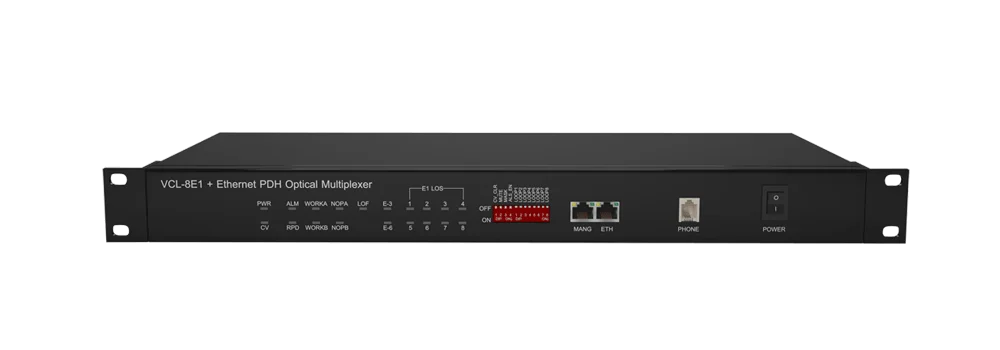
Optical Multiplexer Image

Optical Multiplexers Price List in Kenya
| Optical Multiplexer | Approximate Price (KES) |
|---|---|
| 2 Channel WDM Multiplexer | 8,000 – 18,000 |
| 4 Channel CWDM Multiplexer | 15,000 – 35,000 |
| 8 Channel CWDM Multiplexer | 30,000 – 80,000 |
| 16 Channel CWDM Multiplexer | 70,000 – 180,000 |
| 40 Channel DWDM Multiplexer | 120,000 – 500,000 |
| 96 Channel DWDM Multiplexer | 400,000 – 1,500,000 |
| Optical Add Drop Multiplexer (OADM) | 40,000 – 250,000 |
| Carrier Grade DWDM Platform | Custom Quotation |
Prices vary depending on channel count, wavelength spacing, insertion loss, connector type, enclosure, and transmission distance.
Optical Multiplexers Technical Specifications
| Specification | Details |
|---|---|
| Technology | CWDM, DWDM, WDM |
| Channel Capacity | 2–96 Channels |
| Fiber Type | Single Mode (OS2) |
| Connector Types | LC, SC, FC |
| Wavelength Range | 1270–1610 nm |
| Insertion Loss | Low Loss Design |
| Mounting | LGX Module / Rack Mount |
| Applications | Telecom, ISP & Enterprise |
Types of Optical Multiplexers
| Type | Best Application |
|---|---|
| CWDM Multiplexer | Metro Networks |
| DWDM Multiplexer | Long-Haul Networks |
| Passive WDM Multiplexer | Enterprise Fiber Links |
| MUX/DEMUX Module | Data Centres |
| Optical Add Drop Multiplexer (OADM) | Metro Rings |
| Rack Mount Multiplexer | Telecom Rooms |
| LGX Multiplexer | Modular Networks |
| High Density DWDM | Carrier Networks |
Optical Multiplexers maximize fiber utilization by transmitting multiple wavelengths over a single fiber, making them indispensable for modern high-capacity optical networks.
Features of Optical Multiplexers
Passive operation
CWDM and DWDM technology
High channel density
Low insertion loss
Bi-directional transmission
Rack mount options
LGX modular design
Long-distance transmission
High isolation
Scalable architecture
Maintenance-free operation
Protocol transparent
Benefits of Optical Multiplexers
| Benefit | Description |
|---|---|
| Increase Fiber Capacity | Multiple channels over one fiber |
| Lower Infrastructure Costs | Reduce fiber deployment |
| Maximize Existing Fiber | No additional cabling required |
| Long Distance Transmission | Ideal for metro and backbone networks |
| High Reliability | Passive design with no power required |
| Easy Expansion | Add wavelengths as demand grows |
| Carrier Grade Performance | Suitable for telecom operators |
| Future-Proof Infrastructure | Supports growing bandwidth requirements |
Applications of Optical Multiplexers
Telecommunications Networks
Internet Service Providers
Data Centres
Campus Networks
Metropolitan Fiber Networks
Enterprise Networks
Government Infrastructure
Financial Institutions
Healthcare Networks
Broadcast Networks
Utility Networks
Industrial Fiber Networks
Smart Cities
Long-Haul Optical Networks
Why Buy Optical Multiplexers from Fiber Optics Kenya?
Fiber Optics Kenya supplies enterprise-grade Optical Multiplexers with professional consultation, network design, installation, fiber splicing, testing, commissioning, and nationwide support. Our engineers design scalable WDM solutions that maximize existing fiber infrastructure while minimizing deployment costs.
In addition to Optical Multiplexers, we supply Fiber Optic Cables, Optical Splitters, ODFs, Patch Panels, Optical Transceivers, OTDR Testers, Fusion Splicers, Media Converters, Enterprise Switches, and complete fiber optic networking solutions.
Optical Multiplexers Buying Guide
| Requirement | Recommended Solution |
|---|---|
| Small Enterprise | 2–4 Channel CWDM |
| Campus Network | 8 Channel CWDM |
| Data Centre | 16 Channel CWDM |
| Metro Network | OADM |
| ISP Backbone | 40 Channel DWDM |
| Telecom Operator | 96 Channel DWDM |
| Long Distance Fiber | Carrier DWDM Platform |
| High Capacity Backbone | Rack Mount DWDM System |
Watch Optical Multiplexers Overview
YouTube Video
Optical Multiplexers enable multiple optical signals to be transmitted simultaneously over a single fiber using different wavelengths of light. The video explains the operation of CWDM, DWDM, MUX/DEMUX, and Optical Add Drop Multiplexers (OADM), demonstrating how they increase network capacity while reducing fiber infrastructure costs.
Modern WDM systems combine multiple wavelength-specific optical signals into a single fiber at the transmitting end and separate them at the receiving end. This approach significantly increases bandwidth utilization without requiring additional fiber installations, making it ideal for telecommunications, metro networks, and data centre interconnects.
CWDM solutions are typically used for shorter-distance metro and enterprise applications, while DWDM systems provide much higher channel density and longer transmission distances for carrier-grade networks. Optical Add Drop Multiplexers (OADMs) further improve flexibility by allowing individual wavelength channels to be inserted or removed without disrupting other traffic.
Frequently Asked Questions (FAQs)
1. What is an Optical Multiplexer?
An Optical Multiplexer is a passive WDM device that combines multiple optical wavelengths onto a single fiber and separates them again at the receiving end.
2. How much do Optical Multiplexers cost in Kenya?
Basic WDM multiplexers start from approximately KES 8,000, while enterprise DWDM platforms can cost over KES 1.5 million, depending on capacity and deployment requirements.
3. What is the difference between CWDM and DWDM?
CWDM uses wider wavelength spacing and is ideal for metro and enterprise networks, while DWDM uses much tighter wavelength spacing to support significantly more channels and longer transmission distances.
4. What is an Optical Add Drop Multiplexer (OADM)?
An OADM allows selected optical wavelengths to be added or removed from a WDM fiber link without affecting other wavelengths on the same fiber.
5. Do Optical Multiplexers require power?
Most CWDM and DWDM MUX/DEMUX modules are passive optical devices and do not require an external power source.
6. Which industries use Optical Multiplexers?
Telecommunications providers, ISPs, data centres, financial institutions, universities, government agencies, broadcasters, utilities, and enterprise organizations all use optical multiplexers.
7. Why buy from Fiber Optics Kenya?
We provide genuine optical multiplexers, professional WDM design, installation, testing, fiber splicing, warranty support, and nationwide technical assistance.
8. Do you deliver across Kenya?
Yes. We supply Optical Multiplexers throughout Kenya, including Nairobi, Mombasa, Kisumu, Nakuru, Eldoret, Thika, Nyeri, Meru, Machakos, Kakamega, Kisii, Bungoma, Kitale, and all other counties.
Fiber Optics Kenya
Lyric House
7th Floor Room S9
Kimathi Street
Nairobi
Phone: +254 704 991 492
Email: info@fibreopticskenya.co.ke