Loose Tube Fibre Cables Price in Kenya

Loose tube fibre optic cables are among the most widely used fibre cables for outdoor telecommunications networks because of their excellent protection, durability, and ability to perform reliably over long distances. In a loose tube design, optical fibres are placed inside protective tubes filled with gel or water-blocking materials, allowing the fibres to move freely and expand or contract with temperature changes without experiencing stress.
At Fiber Optics Kenya, we supply premium-quality loose tube fibre optic cables designed for demanding outdoor environments, including underground ducts, aerial installations, telecom backbone networks, ISP infrastructure, and enterprise connectivity projects. Our cables are manufactured using high-quality Single Mode (OS2) fibres to deliver low attenuation, high bandwidth capacity, and dependable long-distance transmission.
Loose tube fibre cables are available in multiple fibre counts, including 4 Core, 6 Core, 12 Core, 24 Core, 48 Core, 96 Core, and 144 Core, allowing customers to choose the ideal cable depending on network size and future expansion requirements. Fiber Optics Kenya also provides fibre accessories, splicing services, OTDR testing, installation support, and nationwide delivery.
Loose Tube Fibre Cable Images

Loose Tube Fibre Cables Price List in Kenya
| Loose Tube Fibre Cable | Approximate Price (KES) |
|---|---|
| 4 Core Loose Tube Fibre Cable | 80 – 130 per metre |
| 6 Core Loose Tube Fibre Cable | 90 – 150 per metre |
| 12 Core Loose Tube Fibre Cable | 110 – 180 per metre |
| 24 Core Loose Tube Fibre Cable | 140 – 250 per metre |
| 48 Core Loose Tube Fibre Cable | 250 – 400 per metre |
| 96 Core Loose Tube Fibre Cable | 450 – 700 per metre |
| 144 Core Loose Tube Fibre Cable | 650 – 1,000 per metre |
Note: Prices vary depending on fibre type, armouring, cable construction, brand, order quantity, and project requirements. Bulk pricing is available for ISPs, contractors, government projects, and large network deployments.
Loose Tube Fibre Cable Specifications
| Specification | Details |
|---|---|
| Fibre Type | Single Mode OS2 (G.652D / G.657A1) |
| Fibre Counts | 4, 6, 12, 24, 48, 96, 144 Core |
| Cable Structure | Loose Tube Stranded Design |
| Tube Material | PBT Protective Tubes |
| Filling Material | Gel / Dry Water Blocking |
| Strength Member | FRP / Steel / Aramid Yarn |
| Outer Jacket | HDPE Polyethylene |
| Installation | Underground, Duct, Aerial |
| Operating Temperature | -40°C to +70°C |
| Lifespan | 25+ Years |
Loose tube cables commonly use stranded loose tubes around a central strength member, with water-blocking protection and HDPE outer jackets designed for outdoor environments.
Types of Loose Tube Fibre Cables
| Cable Type | Recommended Application |
|---|---|
| Non-Armoured Loose Tube Cable | Duct and protected outdoor installations |
| Armoured Loose Tube Cable | Underground and harsh environments |
| Aerial Loose Tube Cable | Pole and overhead installations |
| GYTS Fibre Cable | Outdoor telecom backbone |
| GYTA Fibre Cable | Underground and duct networks |
| High Core Count Loose Tube Cable | ISP and carrier networks |
Features of Loose Tube Fibre Cables
Superior fibre protection
Gel-filled or water-blocking tube design
Excellent resistance to temperature changes
Low optical signal loss
High tensile strength
Supports long-distance transmission
Suitable for outdoor installations
UV-resistant HDPE jacket
Available in multiple fibre counts
Compatible with modern fibre networks
Benefits of Loose Tube Fibre Cables
| Benefit | Description |
|---|---|
| Environmental Protection | Protects fibres from moisture, temperature changes, and mechanical stress |
| Long Distance Performance | Designed for telecom backbone and outdoor networks |
| High Reliability | Provides stable optical performance for many years |
| Flexible Deployment | Suitable for aerial, underground, and duct installation |
| Scalable Networks | Available from low to very high fibre counts |
| Lower Maintenance | Durable construction reduces repair requirements |
| Future Ready | Supports increasing bandwidth demands |
Applications of Loose Tube Fibre Cables
Loose tube fibre cables are widely used in:
Internet Service Provider Networks
Fibre-to-the-Home (FTTH)
Telecom Backbone Networks
Underground Fibre Networks
Data Centre Connectivity
Enterprise Fibre Links
Campus Networks
Government Fibre Infrastructure
Industrial Networks
Smart City Projects
Railway Communication Networks
Utility Networks
Why Buy Loose Tube Fibre Cables from Fiber Optics Kenya?
Fiber Optics Kenya is a trusted supplier of genuine loose tube fibre optic cables for professional fibre network installations across Kenya. We provide high-quality cables suitable for ISPs, contractors, enterprises, government institutions, and telecommunications companies.
Our loose tube fibre cables are selected for durability, optical performance, and compatibility with modern fibre infrastructure. Whether you need a small quantity for a commercial installation or thousands of metres for a major fibre rollout, our team provides expert guidance to help you select the correct cable.
Besides supplying fibre cables, Fiber Optics Kenya offers complete fibre networking solutions including fibre termination, fusion splicing, OTDR testing, splice closures, ODFs, patch panels, pigtails, connectors, and professional installation services.
Loose Tube Fibre Cable Buying Guide
| Project Type | Recommended Cable |
|---|---|
| Small Business Network | 4 Core / 6 Core Loose Tube |
| Residential Estate FTTH | 12 Core Loose Tube |
| Office Complex | 24 Core Loose Tube |
| Campus Network | 48 Core Loose Tube |
| ISP Distribution Network | 96 Core Loose Tube |
| Telecom Backbone | 144 Core Loose Tube |
Watch Loose Tube Fibre Cable Installation
YouTube Video
Video Thumbnail
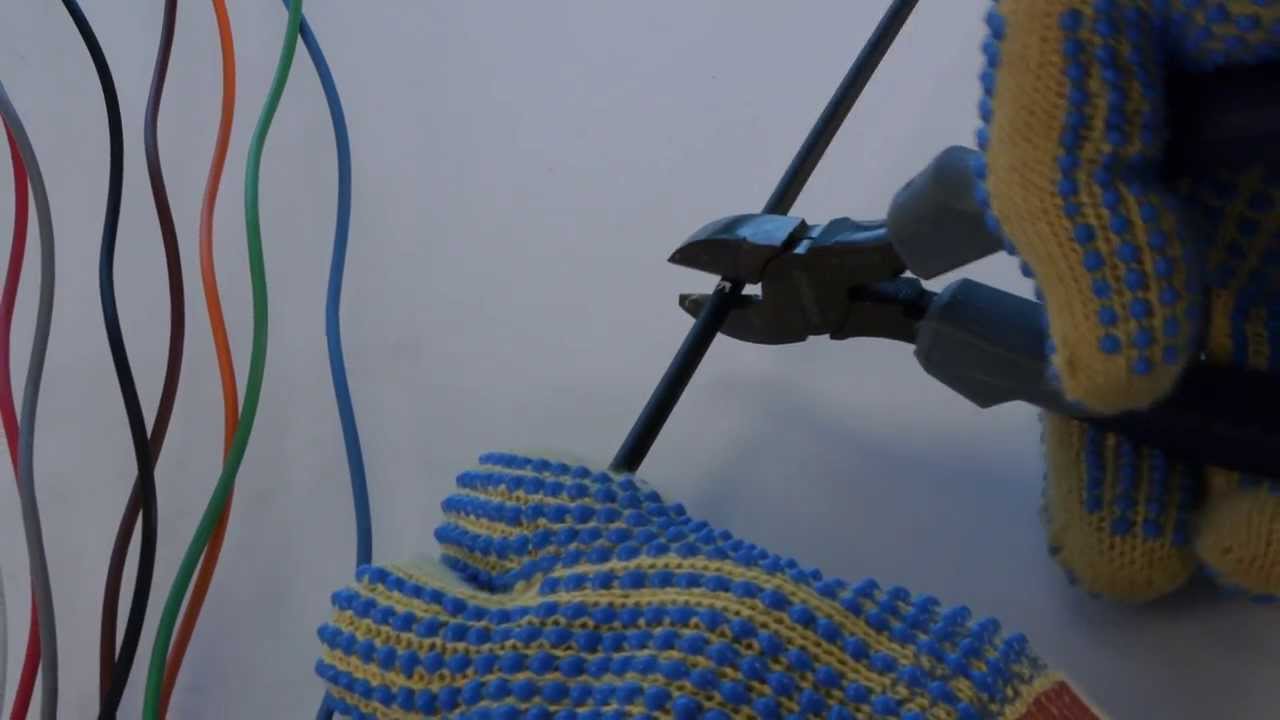
The video above demonstrates the installation and handling of loose tube fibre optic cables, showing how these cables are prepared, routed, and terminated for outdoor fibre networks. It highlights the importance of correct cable handling, maintaining proper bend radius, and using appropriate fibre accessories to achieve reliable network performance.
Loose tube fibre cables are preferred for outdoor applications because their protective tube structure allows the fibres to remain isolated from external stresses. The gel-filled or water-blocking design protects against moisture penetration while allowing the fibres to expand and contract naturally during temperature changes. This makes them suitable for Kenya’s diverse environmental conditions, including outdoor, underground, and aerial installations.
At Fiber Optics Kenya, we provide complete loose tube fibre optic solutions for businesses, ISPs, contractors, and institutions. Our team assists with cable selection, network planning, installation, fibre splicing, testing, and after-sales support to ensure customers achieve reliable and high-performance fibre connectivity.
Frequently Asked Questions (FAQs)
1. What is a loose tube fibre cable?
A loose tube fibre cable is a fibre optic cable where individual optical fibres are placed inside protective tubes that allow movement and provide protection against temperature changes, moisture, and mechanical stress.
2. What is the price of loose tube fibre cables in Kenya?
Loose tube fibre cable prices generally start from around KES 80 per metre and vary depending on fibre count, construction type, and project requirements.
3. Where are loose tube fibre cables used?
They are mainly used in outdoor applications such as telecom networks, ISP infrastructure, underground ducts, aerial installations, and enterprise backbone connections.
4. What is the difference between loose tube and tight buffered fibre cables?
Loose tube cables protect fibres inside tubes and are mainly designed for outdoor use, while tight buffered cables have fibres directly surrounded by protective coating and are commonly used indoors.
5. Are loose tube fibre cables waterproof?
Yes. Most outdoor loose tube cables use gel filling or dry water-blocking technology to prevent moisture from reaching the optical fibres.
6. Which loose tube fibre cable should I choose?
The correct cable depends on your project size. Small installations may use 4 or 12 Core cables, while large ISP and backbone networks commonly use 48, 96, or 144 Core cables.
7. Why buy loose tube fibre cables from Fiber Optics Kenya?
Fiber Optics Kenya provides genuine fibre cables, competitive prices, professional technical support, fibre installation services, nationwide delivery, and reliable after-sales assistance.
8. Do you deliver loose tube fibre cables across Kenya?
Yes. Fiber Optics Kenya supplies and delivers loose tube fibre cables throughout Nairobi and all counties across Kenya.
Contact Fiber Optics Kenya Today
For reliable loose tube fibre optic cables and complete fibre networking solutions, contact Fiber Optics Kenya today. Our experienced team will help you select the right fibre cable for your project and provide professional support from planning to installation.
Our Contact Information
Location:
Lyric House, 7th Floor, Room S9, Kimathi Street, Nairobi
Phone:
Call/Text/WhatsApp: +254 704 991 492
Email:
info@fibreopticskenya.co.ke
Loose tube fibre optic cables remain one of the most reliable solutions for outdoor fibre networks due to their excellent protection, durability, and long-distance transmission capabilities. Their robust construction makes them ideal for ISP networks, telecom infrastructure, enterprise connectivity, and large-scale fibre deployments.
Choose Fiber Optics Kenya for genuine loose tube fibre cables, competitive pricing, expert advice, nationwide delivery, and professional fibre installation services. Contact us today for a quotation and build a reliable, future-ready fibre optic network anywhere in Kenya.