Direct Burial Fibre Cables Price in Kenya

Direct burial fibre optic cables are specially designed for underground installation without requiring additional protective ducts or conduits. These heavy-duty fibre cables feature reinforced construction, including steel armour layers, water-blocking protection, and durable HDPE outer jackets that protect optical fibres from moisture, rodents, crushing forces, and harsh underground conditions.
At Fiber Optics Kenya, we supply high-quality direct burial fibre optic cables for telecommunications companies, Internet Service Providers (ISPs), government infrastructure projects, commercial developments, and enterprise networks. Our direct burial cables provide reliable high-speed connectivity while reducing installation complexity and long-term maintenance costs.
Unlike standard outdoor fibre cables that require duct protection, direct burial fibre cables are engineered for direct underground placement. Their rugged construction makes them ideal for areas where installing ducts is expensive, impractical, or unnecessary. They are commonly manufactured using loose tube technology with steel armour, water-resistant layers, and UV-resistant polyethylene jackets for maximum durability.
Fiber Optics Kenya provides direct burial fibre cables in multiple fibre counts including 4 Core, 6 Core, 12 Core, 24 Core, 48 Core, 96 Core, and 144 Core, together with fibre accessories, installation services, fibre splicing, OTDR testing, and nationwide delivery.
Direct Burial Fibre Cable Image

Direct Burial Fibre Cables Price List in Kenya
| Direct Burial Fibre Cable | Approximate Price (KES) |
|---|---|
| 4 Core Direct Burial Fibre Cable | 150 – 220 per metre |
| 6 Core Direct Burial Fibre Cable | 180 – 260 per metre |
| 12 Core Direct Burial Fibre Cable | 220 – 350 per metre |
| 24 Core Direct Burial Fibre Cable | 350 – 550 per metre |
| 48 Core Direct Burial Fibre Cable | 550 – 850 per metre |
| 96 Core Direct Burial Fibre Cable | 900 – 1,400 per metre |
| 144 Core Direct Burial Fibre Cable | 1,300 – 2,000 per metre |
Note: Prices vary depending on armour type, fibre count, cable brand, order quantity, and project specifications. Bulk discounts are available for contractors, ISPs, government agencies, and large infrastructure projects.
Direct Burial Fibre Cable Specifications
| Specification | Details |
|---|---|
| Fibre Type | Single Mode OS2 (G.652D / G.657A) |
| Fibre Counts | 4, 6, 12, 24, 48, 96, 144 Core |
| Cable Structure | Loose Tube Armoured Design |
| Armour Type | Steel Tape / Corrugated Steel Armour |
| Outer Jacket | HDPE Polyethylene |
| Water Protection | Gel Filled / Water Blocking Tape |
| Installation | Direct Underground Burial |
| Crush Resistance | High |
| Rodent Protection | Excellent |
| Operating Temperature | -40°C to +70°C |
| Lifespan | 25+ Years |
Direct burial cables commonly use steel armour, loose tube fibre protection, and HDPE jackets to withstand underground mechanical stress and environmental exposure.
Types of Direct Burial Fibre Cables
| Cable Type | Recommended Application |
|---|---|
| Single Armoured Direct Burial Cable | Standard underground networks |
| Double Armoured Fibre Cable | High-risk underground environments |
| GYTA53 Fibre Cable | Heavy-duty underground installations |
| Steel Tape Armoured Cable | Rodent and crush protection |
| Loose Tube Direct Burial Cable | Long-distance telecom networks |
| High Core Count Burial Cable | ISP backbone projects |
Features of Direct Burial Fibre Cables
Heavy-duty underground protection
Steel armour reinforcement
Excellent crush resistance
Rodent-resistant construction
Waterproof design
UV-resistant HDPE jacket
High tensile strength
Low optical attenuation
Supports long-distance transmission
Designed for harsh environments
Benefits of Direct Burial Fibre Cables
| Benefit | Description |
|---|---|
| No Extra Duct Required | Designed for direct underground installation |
| Reduced Installation Cost | Eliminates additional conduit requirements |
| Strong Physical Protection | Armour protects against crushing and rodents |
| Long Service Life | Built for permanent underground networks |
| Reliable Connectivity | Maintains stable high-speed transmission |
| Weather Resistant | Handles moisture and temperature changes |
| Low Maintenance | Reduces cable replacement requirements |
| Future Ready | Supports high-bandwidth applications |
Applications of Direct Burial Fibre Cables
Direct burial fibre cables are widely used in:
Internet Service Provider Networks
Underground Telecom Networks
FTTH Infrastructure
Rural Broadband Projects
Metropolitan Fibre Networks
Data Centre Interconnects
Government Fibre Projects
Industrial Networks
Railway Communication Systems
Utility Networks
Smart City Infrastructure
Campus Fibre Networks
Long-Distance Backbone Links
Why Buy Direct Burial Fibre Cables from Fiber Optics Kenya?
Fiber Optics Kenya is a trusted supplier of direct burial fibre optic cables designed for reliable underground network deployment. We provide genuine, high-quality fibre cables suitable for demanding applications including ISP backbone networks, enterprise connectivity, government infrastructure, and large-scale telecommunications projects.
Our direct burial fibre cables are selected for durability, excellent optical performance, and resistance against underground challenges such as moisture, rodents, and mechanical pressure. Whether you require a few hundred metres or several kilometres, our team provides professional guidance to help you choose the correct cable for your application.
We also supply complete fibre optic solutions including splice closures, ODFs, patch panels, fibre pigtails, connectors, OTDR testing, fusion splicing, and professional installation services.
Direct Burial Fibre Cable Buying Guide
| Project Type | Recommended Cable |
|---|---|
| Small Underground Link | 4 Core Direct Burial Cable |
| Residential Estate Network | 12 Core Direct Burial Cable |
| Office Campus | 24 Core Direct Burial Cable |
| Industrial Facility | 48 Core Direct Burial Cable |
| ISP Distribution Network | 96 Core Direct Burial Cable |
| Telecom Backbone | 144 Core Direct Burial Cable |
Watch Direct Burial Fibre Cable Installation
YouTube Video
Video Thumbnail
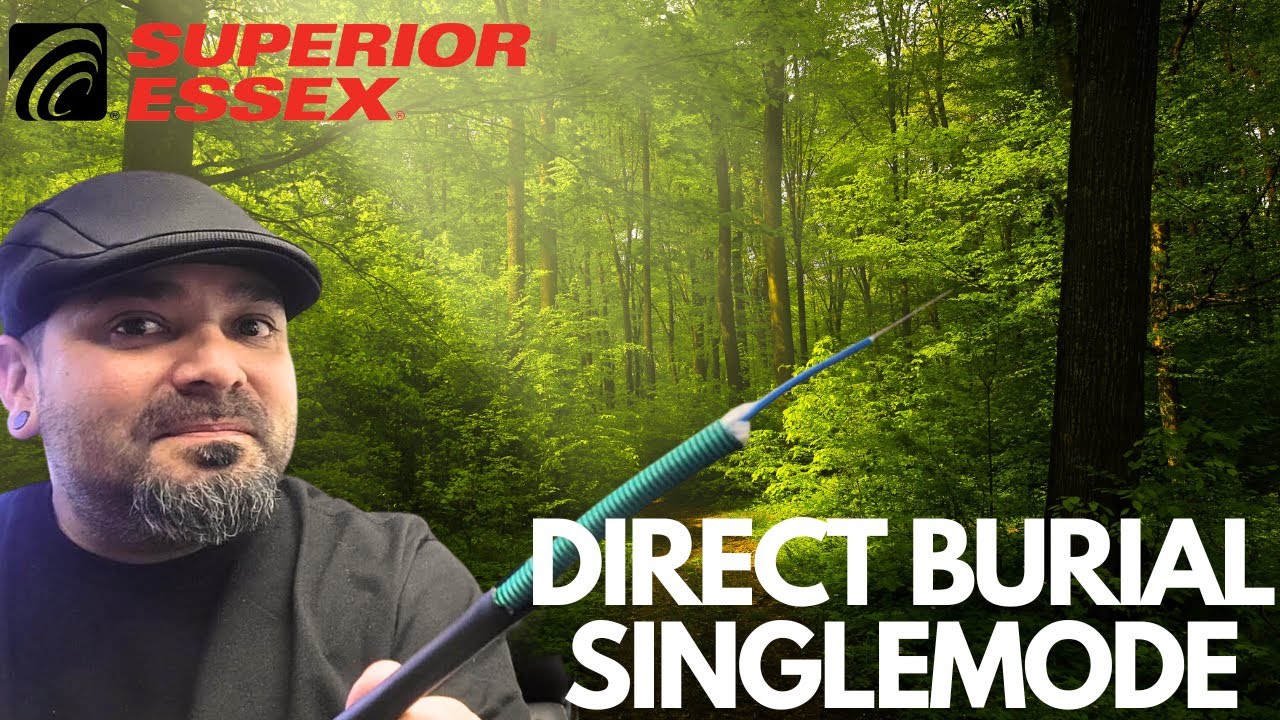
The video above demonstrates the installation process of direct burial fibre optic cables, showing how underground fibre networks are deployed for reliable and long-lasting connectivity. It highlights important installation practices such as trench preparation, cable handling, maintaining proper bending radius, and protecting fibre cables during underground placement.
Direct burial fibre cables are designed for environments where maximum protection is required. Their armoured construction prevents damage from soil pressure, accidental impact, rodents, and moisture penetration. These features make them suitable for critical infrastructure projects where network downtime can result in significant operational challenges.
At Fiber Optics Kenya, we provide complete direct burial fibre solutions including cable supply, installation consultation, fibre splicing, OTDR testing, and network deployment support. Our experienced fibre specialists help businesses, ISPs, contractors, and institutions build reliable underground fibre networks designed for future growth.
Frequently Asked Questions (FAQs)
1. What is a direct burial fibre cable?
A direct burial fibre cable is a reinforced fibre optic cable designed to be installed directly underground without requiring additional protective ducts. It typically includes armour, water protection, and a durable outer jacket.
2. What is the price of direct burial fibre cables in Kenya?
Direct burial fibre cables typically start from approximately KES 150 per metre depending on fibre count, armour type, and project requirements.
3. Can direct burial fibre cables be installed without ducts?
Yes. These cables are specifically designed for underground installation without additional ducts because of their reinforced armour and protective construction.
4. What is the difference between direct burial and normal outdoor fibre cables?
Direct burial cables have stronger armour protection and are designed to withstand underground pressure, moisture, and physical damage, while standard outdoor cables usually require duct protection.
5. Are direct burial fibre cables waterproof?
Yes. Most direct burial fibre cables include water-blocking materials and protective jackets to prevent moisture from reaching the optical fibres.
6. Which fibre core count should I choose?
Small installations may use 4 or 12 Core cables, while large ISP networks and telecom backbone projects commonly use 48, 96, or 144 Core direct burial cables.
7. Why buy direct burial fibre cables from Fiber Optics Kenya?
Fiber Optics Kenya offers genuine fibre cables, competitive pricing, technical consultation, professional installation support, nationwide delivery, and complete fibre networking solutions.
8. Do you deliver direct burial fibre cables across Kenya?
Yes. Fiber Optics Kenya supplies and delivers direct burial fibre cables to Nairobi, Mombasa, Kisumu, Nakuru, Eldoret, and all counties across Kenya.
Contact Fiber Optics Kenya Today
For premium direct burial fibre optic cables and complete underground fibre solutions, contact Fiber Optics Kenya today. Our experts will help you select the right cable and provide professional support for your fibre infrastructure project.
Our Contact Information
Location:
Lyric House, 7th Floor, Room S9, Kimathi Street, Nairobi
Phone:
Call/Text/WhatsApp: +254 704 991 492
Email:
info@fibreopticskenya.co.ke
Direct burial fibre optic cables provide one of the most reliable solutions for underground fibre network deployments. Their armoured construction, waterproof protection, and high mechanical strength make them ideal for ISPs, enterprises, government projects, and telecommunications infrastructure requiring long-term reliability.
Choose Fiber Optics Kenya for genuine direct burial fibre cables, competitive pricing, expert technical advice, nationwide delivery, and professional fibre installation services. Contact us today for a quotation and build a secure, high-performance underground fibre network anywhere in Kenya.